
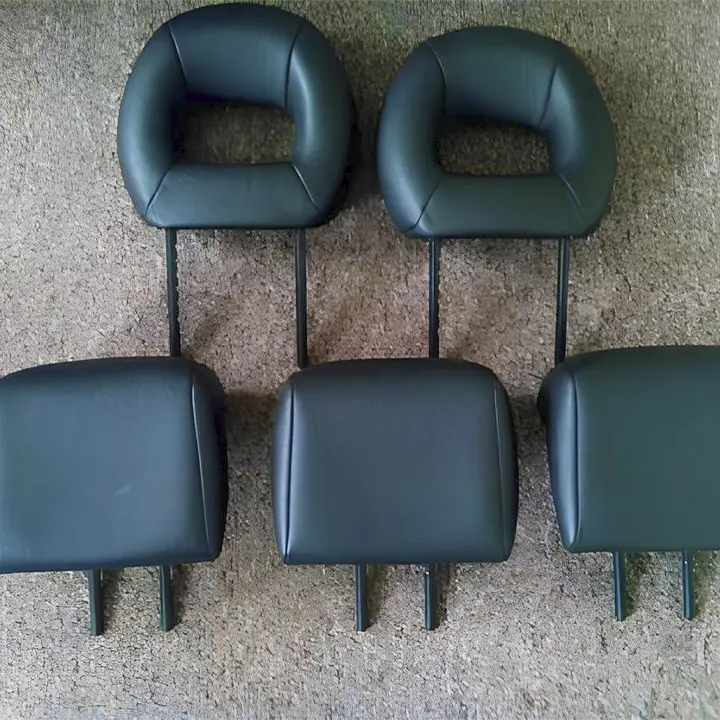
Headrests and Armrests
Polyurethane (PU) foam is a versatile and essential material in automotive interiors, particularly in headrests and armrests, where comfort, durability, and ergonomic design are critical. Its moldability, resilience, and long-lasting properties make it ideal for delivering superior passenger comfort and maintaining safety standards.
Armrests: In automotive armrests, PU foam provides a soft yet supportive surface that enhances passenger comfort during long drives. Many armrests use integral skin PU foam, which combines a cushioned inner core with a durable outer layer. This construction ensures a smooth, wear-resistant surface that withstands scratches, environmental exposure, and frequent use, while maintaining a premium look and feel.
Headrests: For headrests, PU foam plays a dual role in comfort and safety. High-resilience (HR) PU foam is typically used to absorb impact forces during collisions while providing consistent support for the head and neck during normal driving. The foam’s excellent recovery properties ensure that the headrest retains its shape and effectiveness over time, contributing to ergonomic support and overall occupant safety.
Description
Polyurethane foam’s adaptability, durability, and comfort make it the preferred choice for automotive manufacturers designing headrests and armrests that meet both safety regulations and user expectations for premium comfort.
Armrests Key Benefits:
- Provides ergonomic support for elbows and arms
- Maintains shape and performance over long-term use
- Offers a durable surface resistant to abrasion and UV exposure
- Compatible with various coverings such as fabric, vinyl, and leather
Headrests Key Benefits:
- Provides cushioning and head support
- Absorbs impact energy in rear-end collisions
- Retains shape under frequent use and pressure
- Easily molded to fit ergonomic and safety requirements
Material and Manufacturing Considerations
- Polyurethane foam can be customized in terms of density and firmness to meet specific comfort or safety needs.
- It is often molded directly onto structural components, ensuring precise fit and integration into interior assemblies.
- The foam is lightweight, contributing to vehicle weight reduction without compromising durability or performance.
Related Products and Applications
Filtration
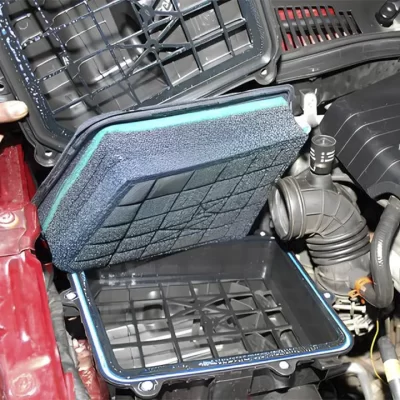
FiltrationPolyurethane (PU) foam is widely used in automotive filtration systems due to its open-cell, reticulated structure that provides excellent airflow while effectively trapping dust, debris, and other contaminants. Lightweight, flexible, chemically resistant, and highly customizable, PU foam is an ideal material for both air and fluid filtration applications in modern vehicles.
Key Applications of PU Foam in Automotive Filtration
Engine Air Filters: PU foam is often used as a primary or secondary filtration layer in engine air filters. It efficiently traps coarse particles, protecting the engine from dust and debris while enhancing performance and longevity.
Cabin Air Filters: In HVAC systems, PU foam captures dust, pollen, and airborne particles, improving cabin air quality and passenger comfort. Its flexibility allows it to conform to various filter shapes, maximizing filtration efficiency.
Automotive Sound Deadening
Automotive Sound Deadening
Automotive Sound Deadening
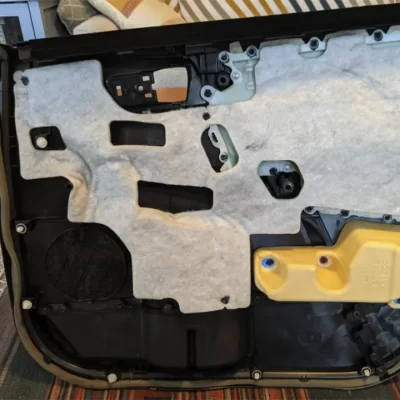
Automotive Sound DeadeningPolyurethane (PU) foam is widely used in the automotive industry for its exceptional ability to enhance cabin acoustics, reduce road noise, and provide a more comfortable driving experience. Its lightweight structure, versatility, and cost-effectiveness make it an ideal material for modern vehicle design and manufacturing. PU foam is incorporated into various parts of the vehicle—such as door panels, headliners, dashboards, trunk liners, floor sections, wheel arches, and seating—to effectively absorb sound and dampen vibrations.
By minimizing road noise, engine resonance, and exterior disturbances, PU foam helps create a quieter and more peaceful cabin environment for passengers. Beyond acoustic benefits, polyurethane foam also plays a significant role in thermal insulation, helping regulate interior temperature and reducing the load on the vehicle’s HVAC system. Its ability to be molded into complex shapes allows seamless integration into different automotive components without adding unnecessary weight, which further contributes to fuel efficiency and overall vehicle performance.
Outdoor Furniture
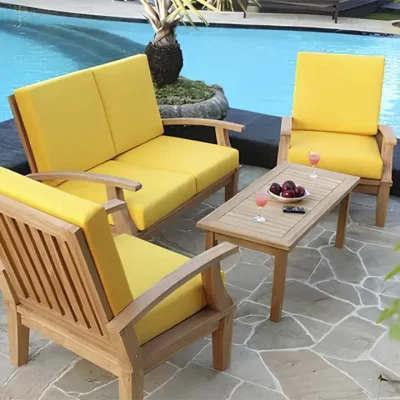
Outdoor FurniturePolyurethane (PU) foam is a versatile and widely used material in outdoor furniture cushions and padding due to its comfort, flexibility, resilience, and lightweight properties. Whether for patio chairs, garden benches, poolside loungers, or outdoor sofas, PU foam enhances the seating experience by providing soft yet supportive cushioning, ensuring comfort even during extended periods of use.
Specialized PU Foam for Outdoor Use
Standard PU foam, while excellent for indoor applications, is not always suitable for outdoor environments. Outdoor cushions require foams that can withstand moisture, UV exposure, temperature changes, and prolonged sunlight.To address these challenges, specialized formulations such as reticulated (open-cell) foam or quick-dry PU foam are commonly used.
- Reticulated PU Foam: Features an open-cell structure that allows water and air to pass through freely. This ensures rapid drying, prevents mold and mildew formation, and maintains hygienic conditions for outdoor seating.
Seat Covers Foam
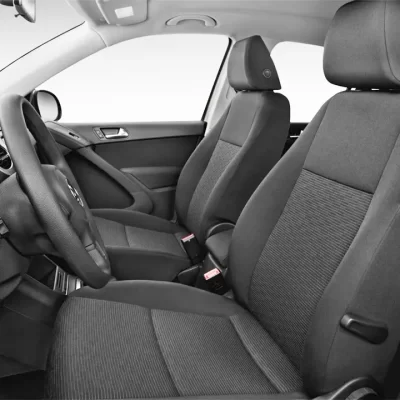
Seat Covers FoamPolyurethane (PU) foam is a vital material in automotive seat cover systems, serving as the cushioning layer beneath upholstery fabrics. Its versatility, comfort, and durability make it indispensable for enhancing the seating experience in vehicles, whether for daily commutes, long drives, or luxury applications.
Key Applications and Benefits of PU Foam in Automotive Seat Covers
- Cushioning Layer: PU foam acts as the primary padding beneath seat covers, absorbing pressure and providing a comfortable seating surface for drivers and passengers.
- Ergonomic Support: By adjusting foam density and firmness, manufacturers can target support to specific body zones, including lumbar, thigh, and back areas, promoting proper posture and reducing fatigue.
