
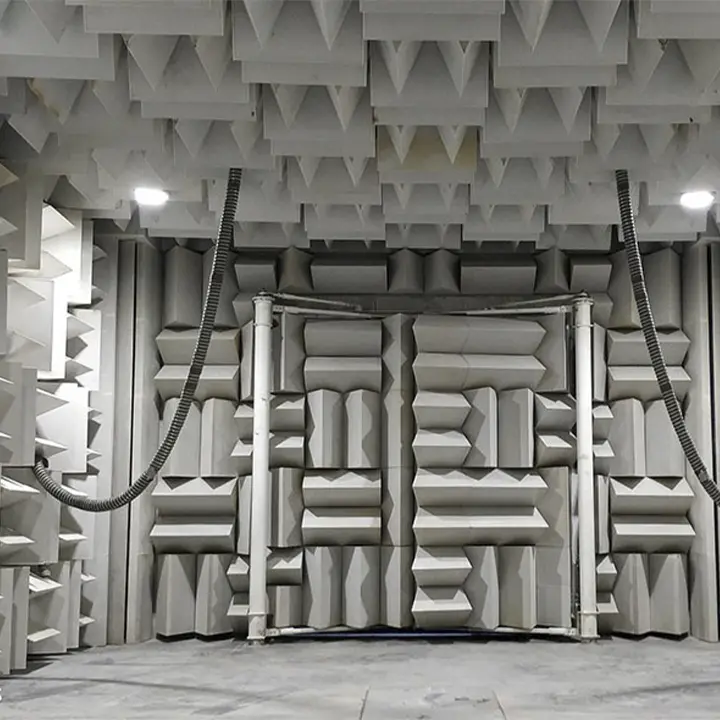
Testing Rooms
Polyurethane (PU) foam is extensively used in testing rooms and sound measurement chambers to create controlled acoustic environments. These rooms require precise sound control to ensure accurate testing, analysis, and measurement of products and equipment. PU foam serves as a lightweight, flexible, and highly effective solution for absorbing sound and eliminating unwanted reflections.
Why PU Foam is Ideal for Testing Rooms
High Sound Absorption – PU foam effectively absorbs mid-to-high frequency noise, reducing reflections and standing waves in the room.
Lightweight & Flexible – Easy to install on walls, ceilings, and panels of various shapes and sizes.
Durable & Long-Lasting – Maintains its acoustic performance over time without sagging or degradation.
Description
Cost-Effective Solution – Provides professional-level acoustic control at a fraction of the cost of heavy traditional materials.
By using PU foam in testing rooms, manufacturers and researchers can achieve precise, reliable, and repeatable acoustic measurements, ensuring that products meet the highest standards of performance and quality.
Types of PU Acoustic Foam Used
| Foam Type | Structure | Function |
| Wedge Foam Panels | Angled cuts | Diffuses sound, reduces standing waves |
| Pyramid Foam Panels | 3D peaks | Broadband absorption and aesthetic appearance |
| Flat Panels (Backer Foam) | Smooth | Used as base layer or under composite structures |
| Custom Molded Panels | Shaped to spec | Engineered for walls, ceilings, or rotating platforms |
Why Use PU Foam in Automotive Sound Testing Rooms?
Sound Absorption: PU foam’s open-cell structure absorbs mid-to-high-frequency sound waves, preventing reflections that can distort test results.
Echo & Reverberation Control: Wedge- or pyramid-shaped PU foam reduces reverberation time, ensuring accuracy during microphone and acoustic sensor testing.
Improves Measurement Precision: Essential for NVH (Noise, Vibration, Harshness) analysis of engines, tires, interiors, and electronic components.
Supports Standardized Testing Conditions: Helps meet ISO and SAE acoustic testing standards by maintaining consistent room acoustics.
Applications in Automotive Acoustic Labs
- Engine and Powertrain Noise Testing
- Speaker and In-Car Audio System Testing
- Electric Vehicle Motor Whine Analysis
- Door Closure and Seal Noise Evaluation
- Material and Component Noise Characterization
- Interior cabin NVH simulations
Technical Properties of PU Acoustic Foam
| Property | Typical Range / Value |
| Density | 25–40 kg/m³ (1.5–2.5 lb/ft³) |
| NRC (Noise Reduction Coefficient) | 0.75–1.00 depending on thickness |
| Fire Resistance | UL 94 HF-1 / FMVSS 302 / ISO 3795 compliant |
| Frequency Range | Effective from 500 Hz to 5000+ Hz |
| Shape Thickness | 2–6 inches (wedge/pyramid) |
Advantages of PU Foam in Automotive Sound Testing Rooms
- High acoustic performance for critical audio measurements
- Lightweight and easy to install on walls, ceilings, and floors
- Customizable sizes, shapes, and colors
- Fire-rated and lab-tested for industrial environments
- More affordable than fiberglass or mineral wool for mid/high frequencies
Related Products and Applications
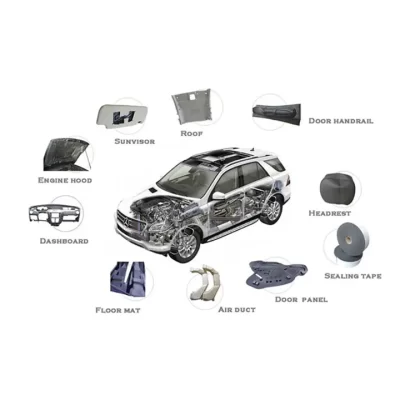
Insulation
InsulationPolyurethane (PU) foam is extensively used in the automotive industry as a highly effective insulation material, providing thermal control, acoustic dampening, and vibration reduction. Its lightweight, versatile, and durable properties make it an ideal choice for enhancing passenger comfort, improving cabin quietness, and boosting overall vehicle performance.
Key Applications of PU Foam in Automotive Insulation
Thermal Insulation: PU foam is widely used to reduce heat transfer from the engine, exhaust system, and external environment. It is commonly applied in floor panels, roof liners, and firewall insulation to maintain a stable cabin temperature. By improving thermal insulation, PU foam enhances HVAC efficiency, ensures passenger comfort, and helps optimize energy consumption.
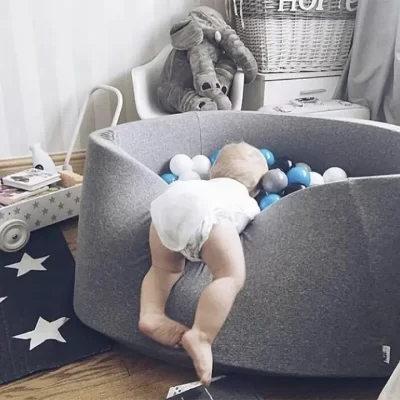
Baby Products
Baby ProductsPolyurethane (PU) foam is one of the most popular materials used in baby care products due to its softness, flexibility, lightweight design, and excellent cushioning properties. These qualities make PU foam ideal for creating comfortable, supportive, and safe surfaces in items such as baby mattresses, crib pads, cushions, play mats, and other infant accessories.Its ability to adapt to a baby’s body ensures even weight distribution and gentle support, which is essential for the healthy development of delicate bones and muscles.
Given the sensitive nature of infant products, safety and hygiene are paramount. PU foam used in baby care must comply with strict safety standards and certifications, ensuring that it is non-toxic, hypoallergenic, flame-retardant, andfree from harmful chemicals or volatile organic compounds (VOCs). Using high-quality PU foam not only provides a comfortable and supportive sleep environment but also guarantees durability, resilience, and shape retention over long-term use Parents and caregivers can also benefit from PU foam’s lightweight and portable nature, making baby products easy to handle, move, or store without compromising comfort or safety.
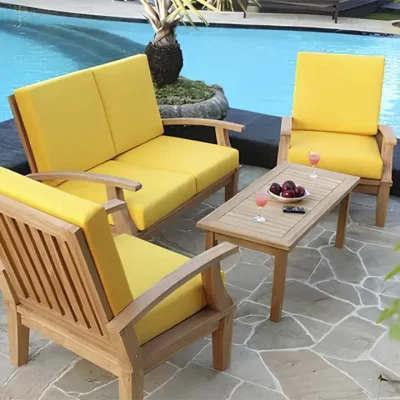
Outdoor Furniture
Outdoor FurniturePolyurethane (PU) foam is a versatile and widely used material in outdoor furniture cushions and padding due to its comfort, flexibility, resilience, and lightweight properties. Whether for patio chairs, garden benches, poolside loungers, or outdoor sofas, PU foam enhances the seating experience by providing soft yet supportive cushioning, ensuring comfort even during extended periods of use.
Specialized PU Foam for Outdoor Use
Standard PU foam, while excellent for indoor applications, is not always suitable for outdoor environments. Outdoor cushions require foams that can withstand moisture, UV exposure, temperature changes, and prolonged sunlight.To address these challenges, specialized formulations such as reticulated (open-cell) foam or quick-dry PU foam are commonly used.
- Reticulated PU Foam: Features an open-cell structure that allows water and air to pass through freely. This ensures rapid drying, prevents mold and mildew formation, and maintains hygienic conditions for outdoor seating.
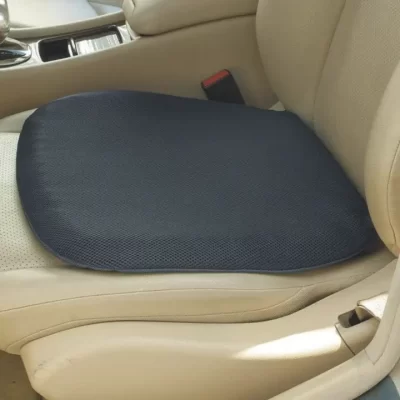
Automotive Cushioning
Automotive CushioningPolyurethane (PU) foam is a critical material in automotive cushioning, offering an ideal combination of comfort, durability, and cost-effectiveness. Its versatility allows automotive designers and manufacturers to create seating, interior components, and ergonomic solutions that meet safety, comfort, and aesthetic requirements.
Applications of PU Foam in Automotive Cushioning
Seats (Cushions & Backrests): PU foam serves as the primary cushioning material in seat cushions and backrests, providing comfort, ergonomic support, and long-term durability. High-resilience (HR) foams maintain shape under prolonged use, while tailored foam densities can optimize support across different zones, such as lumbar and thigh areas.
Headrests: PU foam in headrests functions as an energy-absorbing padding that helps reduce whiplash risk during collisions while also offering comfort during normal driving conditions.
