
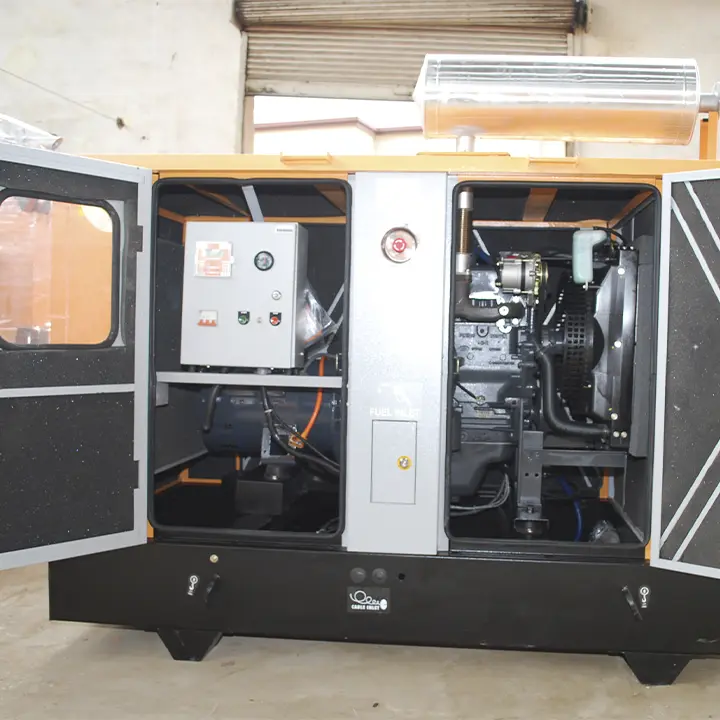
Generators and Canopy
Polyurethane (PU) acoustic foam is widely used in generator housings and acoustic canopies due to its excellent sound-absorbing and vibration-damping properties. Generators—whether used in residential areas, commercial buildings, industries, or hospitals—produce significant noise that can be disruptive and may need to meet specific noise regulation standards. PU acoustic foam helps effectively manage these challenges by reducing noise emissions and improving overall sound insulation.
PU foam’s open-cell structure allows it to absorb a wide range of frequencies, particularly mid- and high-frequency noise generated by the engine and mechanical components. When installed inside generator enclosures or acoustic canopies, it minimizes reflected sound, dampens vibration, and reduces the overall noise output of the generator. This creates a quieter, safer, and more comfortable environment for both operators and nearby occupants. In addition to its acoustic benefits, PU acoustic foam is lightweight, easy to install, and can be cut or shaped to fit various canopy designs and generator models.
Description
Specialized versions, such as fire-retardant or thermal-resistant acoustic foam, further enhance safety and performance in demanding environments.Whether used for standby home generators, commercial backup systems, industrial machinery, or hospital emergency power units, polyurethane acoustic foam plays a crucial role in achieving effective noise control, regulatory compliance, and improved operational comfort.
Recommended PU Foam Types for Generator Applications
| Foam Type | Properties | Application |
| Open-cell PU Foam | Lightweight, high sound absorption | Canopy walls and ceiling lining |
| PU Foam with Aluminum Foil Facing | Heat and oil resistance + sound absorption | Near engine blocks, exhaust zones |
| Composite PU Foam Layers | Sound + vibration damping (multi-layer) | High-performance enclosures |
| Fire-retardant PU Foam | UL 94 / FMVSS 302 compliant | Safety-critical installations |
Why Use PU Foam for Generator Noise Control?
Generators, especially diesel gensets, produce high levels of engine noise, exhaust sound, and vibrational energy. PU foam helps by:
Absorbing Engine Noise: Its open-cell structure captures and dissipates sound energy from combustion and mechanical parts.
Reducing Reverberation in Canopy Enclosures: Prevents echo and sound amplification within metal generator enclosures.
Minimizing External Noise Emission: Essential for meeting local and international noise regulations (e.g., <85 dB(A)).
Improving User Comfort and Safety: Creates a quieter working environment and reduces hearing damage risk.
Typical Applications in Generator Systems
- Inside Acoustic Canopies / Generator Enclosures
- Engine Compartment Liners
- Access Doors and Panels
- Control Cabinets and Exhaust Ducts
| Property | Typical Values |
| Thickness | 25 mm to 100 mm |
| Density | 25–35 kg/m³ |
| Noise Reduction Coefficient (NRC) | 0.75–1.00 |
| Temperature Resistance | Up to 100–120°C (with foil or film facing) |
| Fire Rating | UL 94 HF-1 / FMVSS 302 / ISO 3795 |
Benefits of PU Foam in Generator Acoustic Treatment
- Excellent sound absorption in a compact space
- Thermal insulation when foil-faced
- Lightweight and flexible for curved and tight spaces
- Cost-effective vs. mineral wool or rubber composites
- Customizable thickness and shapes
Use only fire-retardant, oil-resistant PU foam in generator environments to ensure:
- Flame resistance
- Resistance to fuel, oil, and heat exposure
- Longevity under vibration and outdoor conditions
Related Products and Applications
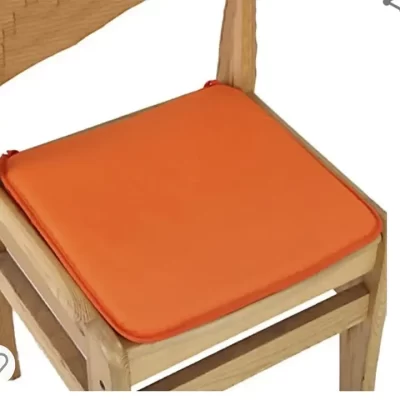
Chair Pads
Chair PadsPolyurethane (PU) foam is one of the most versatile materials used in chair pads, prized for its comfort, resilience, and affordability. Its unique properties make it suitable for a wide range of seating applications, including office chairs, dining chairs, wheelchairs, lounge seating, and outdoor furniture.PU foam provides a perfect balance of softness and support, ensuring that users can sit for extended periods without discomfort or strain.The flexible structure of PU foam allows it to conform to the contours of the body, distributing weight evenly and reducing pressure points on the hips, thighs, and lower back.
This ergonomic support is especially valuable for office and healthcare environments, where prolonged sitting is common. Despite its softness, PU foam is highly resilient, meaning it maintains its shape and firmness over time, making it a long-lasting investment for both residential and commercial use PU foam chair pads are also lightweight, easy to move, and simple to clean, adding to their practicality. They can be paired with various fabric or leather covers, allowing for customization in design, texture, and color to match interior aesthetics.
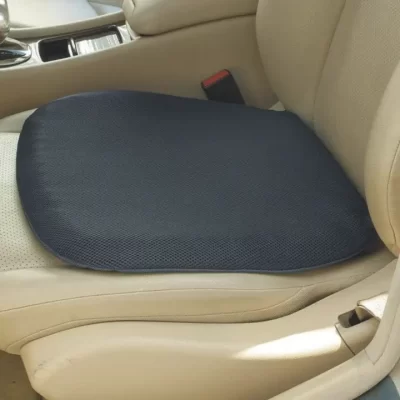
Automotive Cushioning
Automotive CushioningPolyurethane (PU) foam is a critical material in automotive cushioning, offering an ideal combination of comfort, durability, and cost-effectiveness. Its versatility allows automotive designers and manufacturers to create seating, interior components, and ergonomic solutions that meet safety, comfort, and aesthetic requirements.
Applications of PU Foam in Automotive Cushioning
Seats (Cushions & Backrests): PU foam serves as the primary cushioning material in seat cushions and backrests, providing comfort, ergonomic support, and long-term durability. High-resilience (HR) foams maintain shape under prolonged use, while tailored foam densities can optimize support across different zones, such as lumbar and thigh areas.
Headrests: PU foam in headrests functions as an energy-absorbing padding that helps reduce whiplash risk during collisions while also offering comfort during normal driving conditions.
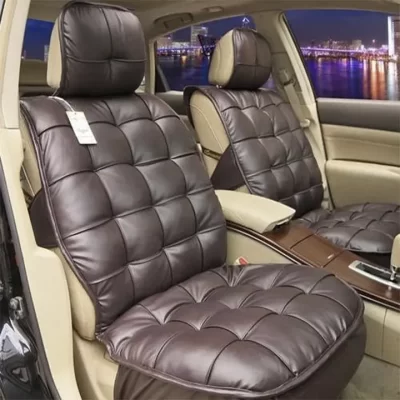
Interior Trim And Upholstery
Interior Trim And Upholstery
Interior Trim And Upholstery
Interior Trim And UpholsteryPolyurethane (PU) foam is a cornerstone material in automotive interior trim and upholstery, providing comfort, cushioning, and aesthetic appeal. Its versatility, durability, and customizable properties make it ideal for a wide range of interior components, enhancing both passenger comfort and vehicle design.
Key Applications of PU Foam in Interior Trim and Upholstery
- Seat Cushions and Backs: PU foam improves seating comfort by providing ergonomic support and even pressure distribution. High-resilience foams retain their shape over extended use, and multi-density designs allow different firmness zones within a single seat, optimizing lumbar, thigh, and back support.
- Door Panels and Armrests: Integral skin PU foam creates soft, durable surfaces with excellent abrasion resistance, delivering a premium feel and tactile comfort while enhancing overall interior aesthetics.
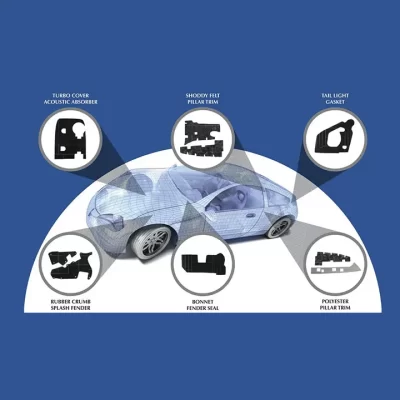
NVH Solutions, Gaskets & Seals
NVH Solutions, Gaskets & Seals
NVH Solutions, Gaskets & Seals
NVH Solutions, Gaskets & SealsPolyurethane (PU) foam is a versatile material extensively used in the automotive industry for Noise, Vibration, and Harshness (NVH) control, as well as in the manufacturing of gaskets and seals. Its unique combination of flexibility, durability, and sealing capabilities allows automotive manufacturers to enhance cabin comfort, reduce noise and vibration, and ensure precise sealing in critical systems.
NVH Solutions Using PU Foam
Sound Absorption: Open-cell PU foam effectively absorbs and dampens airborne noise from engines, road surfaces, and wind, contributing to a quieter and more comfortable vehicle cabin.
Vibration Damping: PU foam cushions and isolates vibrations from drivetrain, suspension, and chassis components, minimizing harshness and improving ride quality.
