
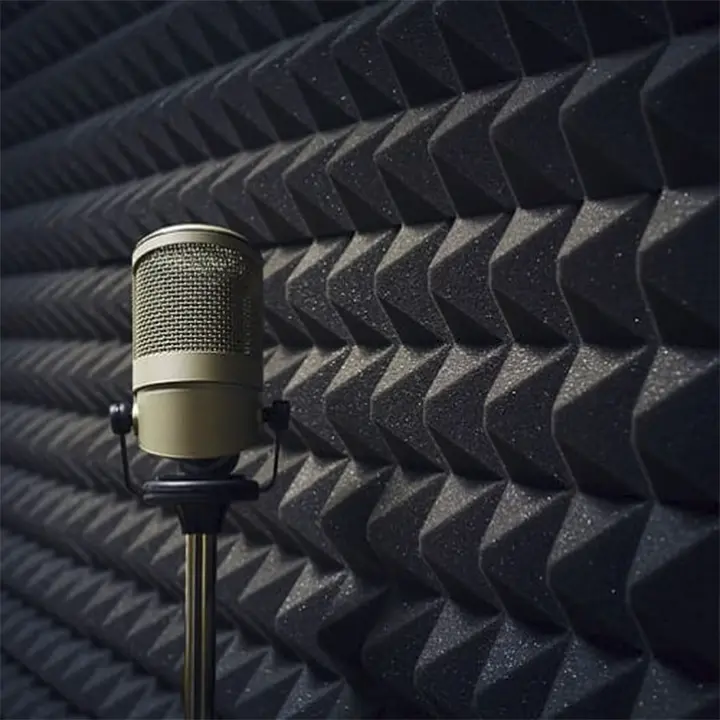
Recording Booths and Podcast Studios
Polyurethane (PU) acoustic foam is one of the most widely used materials in podcast studios due to its exceptional ability to absorb sound, reduce echo, and create a controlled recording environment. Whether you’re setting up a home studio or a professional podcasting space, PU foam helps ensure clean, crisp audio with minimal background noise and reverberation.
Why PU Foam Is Ideal for Podcast Studios
Excellent Sound Absorption: The open-cell structure of PU foam effectively absorbs mid- and high-frequency sounds—especially speech. This prevents reflections and reverberations that can muddy a recording, resulting in clearer vocals and more professional audio output.
Improved Speech Clarity: Since podcasts revolve around dialogue, clarity is critical. PU acoustic panels minimize echo and flutter, ensuring voices sound natural, warm, and easy to listen to.
Description
Easy Installation & Lightweight Design: PU foam is lightweight and simple to install on walls, ceilings, and corners. It can be applied using adhesive, Velcro, or mounting pins, making it ideal for both temporary and permanent studio setups.
Versatile Acoustic Treatment Options: PU foam is available in various shapes and profiles—such as wedge, pyramid, egg-crate, and bass traps—each designed to enhance different aspects of studio acoustics. This allows podcasters to tailor their acoustic environment to meet their recording needs.
Budget-Friendly Professional Solution: Compared to other acoustic materials, PU foam offers excellent performance at an economical price, making it ideal for new podcasters, start-up studios, or small broadcast rooms.
Usage Applications:
Sound Absorption Panels
- Open-cell polyurethane foam panels absorb mid- and high-frequency sounds (like voices).
- Reduces echo, reverberation, and room reflections, giving your recordings a clean, professional sound.
- Usually shaped as wedges, pyramids, or egg crates for increased surface area and absorption.
Bass Traps
- Thicker PU foam is used in corners to absorb low-frequency sound waves (bass buildup).
- Essential for tight, non-boomy audio in voice recording environments.
Ceiling and Wall Treatment
- Foam tiles are placed on ceilings and walls to treat reflection points.
- Helps eliminate flutter echo and improve the soundstage in the studio.
Isolation Pads: PU foam pads are used under microphones, monitors, and stands to reduce vibration transfer and improve sound clarity.
Related Products and Applications

Interior Trim And Upholstery
Interior Trim And Upholstery
Interior Trim And Upholstery
Interior Trim And UpholsteryPolyurethane (PU) foam is a cornerstone material in automotive interior trim and upholstery, providing comfort, cushioning, and aesthetic appeal. Its versatility, durability, and customizable properties make it ideal for a wide range of interior components, enhancing both passenger comfort and vehicle design.
Key Applications of PU Foam in Interior Trim and Upholstery
- Seat Cushions and Backs: PU foam improves seating comfort by providing ergonomic support and even pressure distribution. High-resilience foams retain their shape over extended use, and multi-density designs allow different firmness zones within a single seat, optimizing lumbar, thigh, and back support.
- Door Panels and Armrests: Integral skin PU foam creates soft, durable surfaces with excellent abrasion resistance, delivering a premium feel and tactile comfort while enhancing overall interior aesthetics.
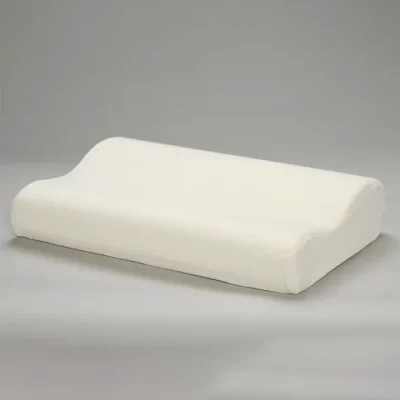
Pillows
PillowsPolyurethane (PU) foam is a preferred material in the production of pillows due to its comfort,resilience, and ability to provide targeted support. Its versatility allows manufacturers to design pillows that cater to a wide range of sleeping styles, from back and side sleepers to those seeking orthopedic or ergonomic support.
Why PU Foam is Ideal for Pillows
PU foam can be shaped, molded, or layered to create pillows with specific contours, including cervical support, memory foam pillows, and travel cushions. This adaptability enables the foam to cradle the head and neck, maintaining spinal alignment and relieving pressure points, which can reduce neck and shoulder discomfort.
By incorporating high-quality PU foam, pillows offer a combination of comfort, support, and long-lasting durability, making them an ideal choice for enhancing sleep quality and maintaining proper neck and spinal alignment.

Polishing Foam
Polishing FoamPolyurethane (PU) Foam Application in Automotive Polishing
Polyurethane (PU) foam plays a critical role in the automotive polishing industry, serving as the primary material for polishing pads and buffing accessories. Its unique combination of softness, durability, and resilience ensures optimal performance, delivering smooth, flawless finishes while protecting vehicle surfaces during polishing and detailing processes.
Key Applications and Benefits of PU Foam in Automotive Polishing
- Polishing Pads: PU foam is expertly shaped into pads that can be mounted on rotary or dual-action polishers. These pads allow for controlled application of compounds, polishes, and waxes, ensuring even coverage and consistent results.
- Surface Protection: The inherent softness of PU foam ensures gentle abrasion, effectively removing oxidation, swirl marks, fine scratches, and minor surface imperfections without damaging paintwork.
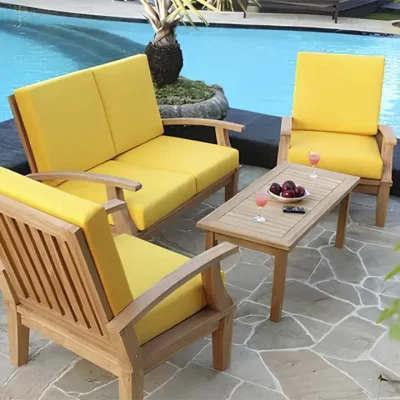
Outdoor Furniture
Outdoor FurniturePolyurethane (PU) foam is a versatile and widely used material in outdoor furniture cushions and padding due to its comfort, flexibility, resilience, and lightweight properties. Whether for patio chairs, garden benches, poolside loungers, or outdoor sofas, PU foam enhances the seating experience by providing soft yet supportive cushioning, ensuring comfort even during extended periods of use.
Specialized PU Foam for Outdoor Use
Standard PU foam, while excellent for indoor applications, is not always suitable for outdoor environments. Outdoor cushions require foams that can withstand moisture, UV exposure, temperature changes, and prolonged sunlight.To address these challenges, specialized formulations such as reticulated (open-cell) foam or quick-dry PU foam are commonly used.
- Reticulated PU Foam: Features an open-cell structure that allows water and air to pass through freely. This ensures rapid drying, prevents mold and mildew formation, and maintains hygienic conditions for outdoor seating.
