
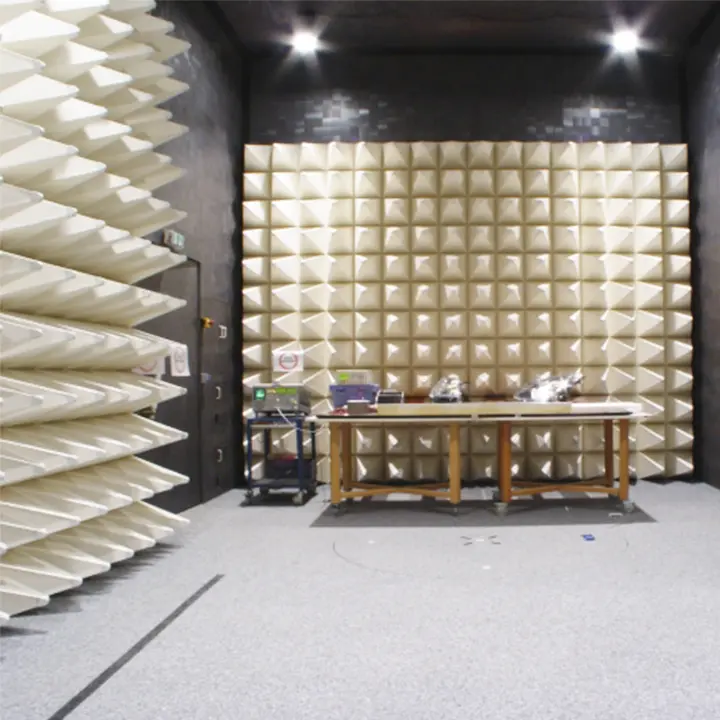
Anechoic Chamber
Polyurethane (PU) foam plays a vital role in the engineering and performance of anechoic chambers, serving as one of the primary materials for effective sound absorption. These specialized chambers are designed to eliminate sound reflections, echoes, and external noise, creating an acoustically “dead” environment essential for high-precision audio testing. PU foam’s unique physical and acoustic properties make it the preferred material for lining walls, ceilings, and sometimes floors inside these controlled spaces.
In anechoic chambers, PU foam is typically manufactured in wedge or pyramid shapes, which increase surface area and enhance sound-absorbing efficiency.The foam absorbs a wide frequency range by trapping sound waves within its porous structure, converting acoustic energy into heat.This ensures minimal echo, extremely low reverberation time, and isolation from external noise. Such conditions are crucial for applications like testing microphones, speakers, hearing aids, communication devices, sonar systems, and conducting psychoacoustic or audio research experiments.
Description
PU foam used in these chambers is engineered for high sound absorption, flame resistance, and long-term stability, maintaining performance even under continuous acoustic exposure.
Its lightweight nature and ease of installation also make it a practical choice for constructing both full-scale professional anechoic chambers and smaller testing booths.
Whether in research labs, industrial testing facilities, audio product development centers, or defense and aerospace environments, PU foam remains an essential component for achieving the precise acoustic control required in modern sound analysis and testing.
Note: For low-frequency absorption, PU foam is often used alongside bass traps or hybrid materials like mineral wool or fiberglass.
Why Polyurethane Foam Is Used in Anechoic Chambers
PU foam is engineered into pyramid, wedge, or convoluted (egg crate) shapes to:
Absorb sound energy across a wide frequency range (especially mid to high frequencies)
Prevent sound reflections by diffusing and dissipating acoustic waves
Control reverberation time, ensuring a reflection-free environment
Improve sound isolation from external noise sources
Key Features of PU Foam for Acoustic Use
| Feature | Benefit |
| Open-cell structure | Traps and converts sound energy into heat, enhancing absorption |
| Lightweight & flexible | Easy to install, shape, and mount on walls, ceilings, and floors |
| Custom shapes (wedge/pyramid) | Enhances surface area for greater sound absorption |
| Frequency tuning | Foam thickness and shape can target specific frequency ranges |
| Fire-retardant grades available | Meets safety standards for industrial and commercial test environments |
Common Applications in Anechoic Environments
- Electroacoustic Testing (speakers, microphones, smartphones)
- Radar & RF Anechoic Chambers (with foam treated for electromagnetic absorption)
- Noise Measurement Chambers (automotive, appliance industries)
- Audio Product Development (headphones, studio monitors, hearing aids)
Specifications for PU Acoustic Foam in Anechoic Chambers
| Parameter | Typical Value |
| Density | 25–40 kg/m³ (1.5–2.5 lb/ft³) |
| Thickness | 2–12 inches depending on frequency coverage |
| NRC (Noise Reduction Coefficient) | 0.75–1.00 (varies by design) |
| Shape | Wedge, pyramid, egg-crate, or custom-molded |
| Fire Rating | UL 94 HF-1, FMVSS 302, or BS 476 Class 1 |
Advantages of PU Foam in Anechoic Chambers
- High acoustic absorption with minimal space requirement
- Customizable in shape, density, and thickness
- Cost-effective compared to alternative materials
- Non-dusting & safe for indoor use (when certified)
- Lightweight — ideal for suspended or mobile chambers
Related Products and Applications
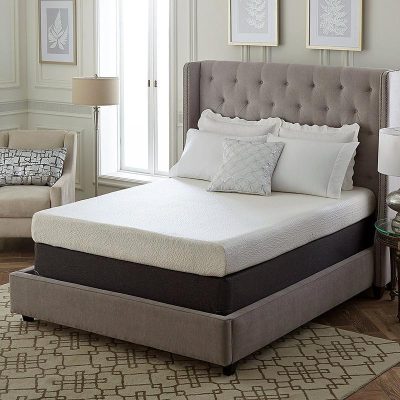
Mattresses
MattressesPolyurethane (PU) foam is one of the most widely used materials in the mattress industry, valued for its comfort, support, adaptability, and cost-effectiveness. Its versatility allows it to be used as both a core support layer and a comfort layer across a variety of mattress types, including all-foam mattresses, hybrid mattresses, and spring-based mattresses. PU foam provides a balanced combination of softness and support, adapting to the body’s contours to relieve pressure points while maintaining proper spinal alignment.
Its lightweight and flexible nature makes it ideal for layering with other materials such as memory foam, latex, or coir to create customized sleep experiences. One of the key advantages of PU foam is its affordability without compromising on comfort. It is available in multiple densities and formulations, allowing mattress manufacturers to tailor the firmness and resilience according to different sleep preferences. PU foam is also durable, helping mattresses maintain shape and support over time, while its open-cell structure in certain formulations can improve air circulation and temperature regulation for a cooler sleep.
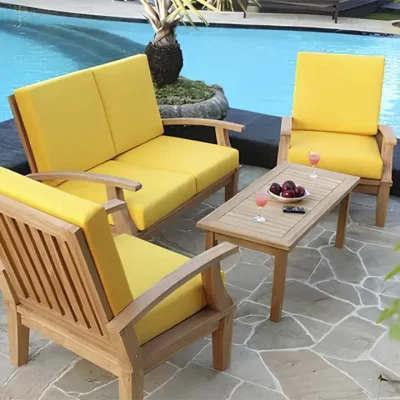
Outdoor Furniture
Outdoor FurniturePolyurethane (PU) foam is a versatile and widely used material in outdoor furniture cushions and padding due to its comfort, flexibility, resilience, and lightweight properties. Whether for patio chairs, garden benches, poolside loungers, or outdoor sofas, PU foam enhances the seating experience by providing soft yet supportive cushioning, ensuring comfort even during extended periods of use.
Specialized PU Foam for Outdoor Use
Standard PU foam, while excellent for indoor applications, is not always suitable for outdoor environments. Outdoor cushions require foams that can withstand moisture, UV exposure, temperature changes, and prolonged sunlight.To address these challenges, specialized formulations such as reticulated (open-cell) foam or quick-dry PU foam are commonly used.
- Reticulated PU Foam: Features an open-cell structure that allows water and air to pass through freely. This ensures rapid drying, prevents mold and mildew formation, and maintains hygienic conditions for outdoor seating.
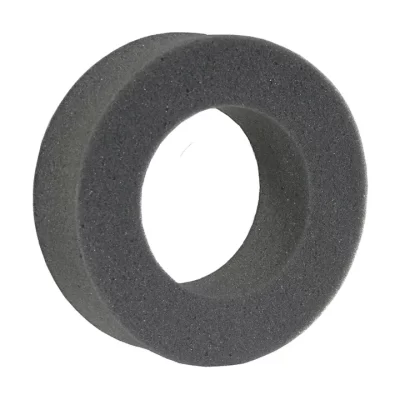
Air Filter Seals
Air Filter SealsFlexible foam is widely used in air filter seals across automotive, industrial, and HVAC systems due to its excellent sealing performance, compressibility, and chemical resistance. It plays a critical role in ensuring that air filtration systems function efficiently and reliably.
Key Functions of Flexible Foam in Air Filter Seals
Air Leak Prevention: Flexible foam provides a tight, consistent seal between the filter housing and filter media, preventing unfiltered air from bypassing the filter. This ensures that all airflow passes through the filter media, maintaining optimal air quality and system efficiency.
Vibration Damping: Flexible foam absorbs vibrations generated by engines, blowers, or other mechanical systems. By acting as a cushioning layer, it reduces wear and tear on filter assemblies and other components, prolonging service life.
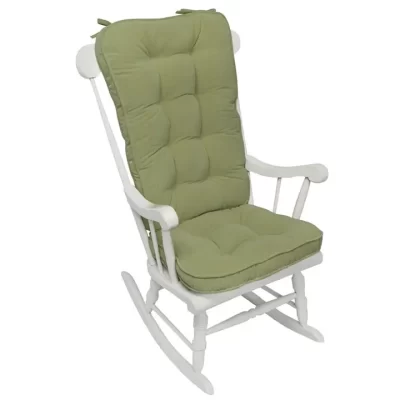
Office Chairs
Office ChairsPolyurethane (PU) foam is one of the most versatile materials used in the production of ergonomic office chairs, offering a unique combination of comfort, support, durability, and adaptability. Designed to withstand long hours of sitting, PU foam provides the cushioning necessary to reduce pressure on the back, hips, and thighs while maintaining proper posture and ergonomic alignment.
Its high resilience and flexible properties allow chair manufacturers to create seats and backrests that conform to the body’s contours without losing shape over time.This ensures consistent support throughout the day, helping prevent fatigue, discomfort, and posture-related health issues.PU foam can also be formulated in varying densities, offering options from softer cushioning for comfort to firmer support for enhanced posture management.
