
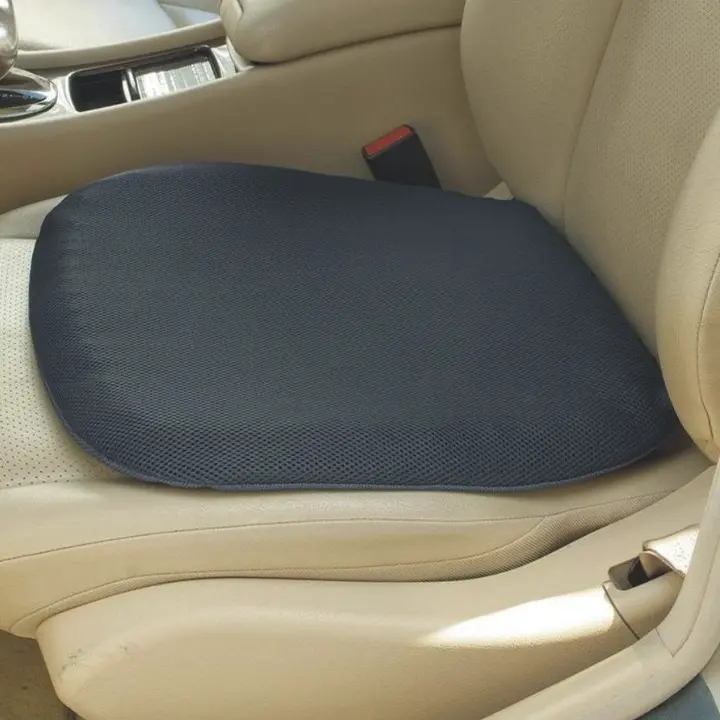
Automotive Cushioning
Polyurethane (PU) foam is a critical material in automotive cushioning, offering an ideal combination of comfort, durability, and cost-effectiveness. Its versatility allows automotive designers and manufacturers to create seating, interior components, and ergonomic solutions that meet safety, comfort, and aesthetic requirements.
Applications of PU Foam in Automotive Cushioning
Seats (Cushions & Backrests): PU foam serves as the primary cushioning material in seat cushions and backrests, providing comfort, ergonomic support, and long-term durability. High-resilience (HR) foams maintain shape under prolonged use, while tailored foam densities can optimize support across different zones, such as lumbar and thigh areas.
Headrests: PU foam in headrests functions as an energy-absorbing padding that helps reduce whiplash risk during collisions while also offering comfort during normal driving conditions.
Description
Armrests: Integrated PU foam padding enhances tactile comfort and ergonomic support in door panels, center consoles, and foldable armrests, ensuring a soft yet durable surface for passengers.
Door Panels: PU foam is used in door panels for padding, impact absorption, and improved tactile feel, enhancing overall interior quality and passenger safety.
Steering Wheels: Foam overmolding using PU foam provides a comfortable grip, reducing fatigue during long drives and improving control, while maintaining durability against wear and environmental exposure.
Headliners & Pillars: Lightweight PU foam in headliners and pillars contributes to noise reduction, vibration damping, and impact cushioning, enhancing cabin comfort and overall NVH (Noise, Vibration, Harshness) performance.
Polyurethane foam’s adaptability, resilience, and comfort make it an essential material in automotive cushioning, ensuring a safe, comfortable, and high-quality driving experience across various vehicle segments.
Types of Polyurethane Foams in Auto Interiors:
| Type | Characteristics | Usage |
| Flexible PU Foam | Soft, compressible | Seat cushions, headrests, armrests |
| High Resilience (HR) Foam | Better elasticity & durability | Premium seat systems |
| Viscoelastic (Memory) Foam | Slow recovery, pressure-relieving | Luxury headrests or orthopedic seat zones |
| Integral Skin PU Foam | Tough outer skin with soft core | Steering wheels, armrests, dash pads |
Applications of Polyurethane Foam in Automotive Cushioning:
| Component | PU Foam Role |
| Seats (cushions & backrests) | Main cushioning material for comfort and support |
| Headrests | Energy-absorbing padding to reduce whiplash risk |
| Armrests | Soft touch and ergonomic comfort |
| Door Panels | Padding for tactile feel and impact resistance |
| Steering Wheels | Foam overmolding for grip and comfort |
| Headliners & Pillars | Noise reduction and impact cushioning |
Why Polyurethane Foam is Used:
Comfort & Ergonomics: Offers customizable softness and support based on density and formulation, enabling varied firmness zones within a single seat (e.g., lumbar vs. thigh support).
Durability: Maintains shape and support over time, even with repeated use and exposure to temperature changes.
Lightweight: Contributes to fuel efficiency and meets modern automotive weight reduction goals.
Cost-Effective: Economical for mass production and moldable into complex shapes.
Customization: Can be molded in-place (MIP) with seat frames or trim components, allowing design flexibility.
Manufacturing & Processing Methods:
Molded Foam: PU is injected into molds around seat frames or other parts, expanding to fill and form.
Slabstock Foam: Large foam blocks are cut into desired shapes; more common in aftermarket or low-volume uses.
Spray or Pour-in-Place (PIP): PU chemicals mixed and foamed directly onto surfaces (e.g., structural foam behind panels).
Performance Considerations:
Density (kg/m³): Impacts firmness, durability, and cost.
Compression Set: Foam's ability to recover after being compressed repeatedly.
Flame Retardancy: Must meet automotive flammability standards (e.g., FMVSS 302).
VOC & Odor Control: Low-emission formulations required for in-cabin air quality.
Related Products and Applications
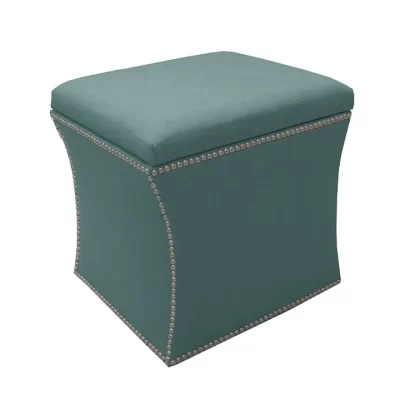
Stool
StoolPolyurethane (PU) foam is one of the most versatile and widely used materials in stool manufacturing, particularly for padded seat tops. Renowned for its superior comfort, support, and durability, PU foam is an ideal choice for a wide range of stools, including kitchen stools, bar stools, office stools, workbench seating, and medical or laboratory stools. Its ability to conform to the body provides ergonomic support, reducing pressure on the hips and lower back during extended periods of sitting.
Different types of PU foam can be used depending on the application. High-resilience (HR) foam offers firm support and long-lasting bounce, making it perfect for commercial or frequently used stools. Memory foam variants provide pressure relief and contouring comfort, ideal for ergonomic or medical seating. Reticulated or open-cell PU foam can be used for ventilated or quick-dry stool cushions, especially in outdoor or humid environments.
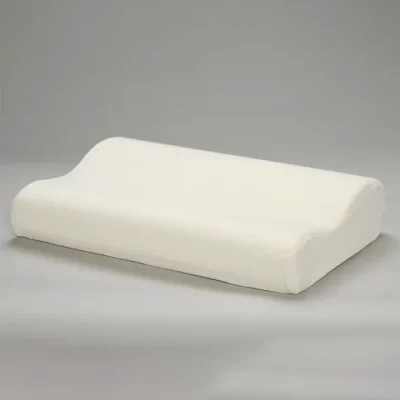
Pillows
PillowsPolyurethane (PU) foam is a preferred material in the production of pillows due to its comfort,resilience, and ability to provide targeted support. Its versatility allows manufacturers to design pillows that cater to a wide range of sleeping styles, from back and side sleepers to those seeking orthopedic or ergonomic support.
Why PU Foam is Ideal for Pillows
PU foam can be shaped, molded, or layered to create pillows with specific contours, including cervical support, memory foam pillows, and travel cushions. This adaptability enables the foam to cradle the head and neck, maintaining spinal alignment and relieving pressure points, which can reduce neck and shoulder discomfort.
By incorporating high-quality PU foam, pillows offer a combination of comfort, support, and long-lasting durability, making them an ideal choice for enhancing sleep quality and maintaining proper neck and spinal alignment.

Baby Products
Baby ProductsPolyurethane (PU) foam is one of the most popular materials used in baby care products due to its softness, flexibility, lightweight design, and excellent cushioning properties. These qualities make PU foam ideal for creating comfortable, supportive, and safe surfaces in items such as baby mattresses, crib pads, cushions, play mats, and other infant accessories.Its ability to adapt to a baby’s body ensures even weight distribution and gentle support, which is essential for the healthy development of delicate bones and muscles.
Given the sensitive nature of infant products, safety and hygiene are paramount. PU foam used in baby care must comply with strict safety standards and certifications, ensuring that it is non-toxic, hypoallergenic, flame-retardant, andfree from harmful chemicals or volatile organic compounds (VOCs). Using high-quality PU foam not only provides a comfortable and supportive sleep environment but also guarantees durability, resilience, and shape retention over long-term use Parents and caregivers can also benefit from PU foam’s lightweight and portable nature, making baby products easy to handle, move, or store without compromising comfort or safety.
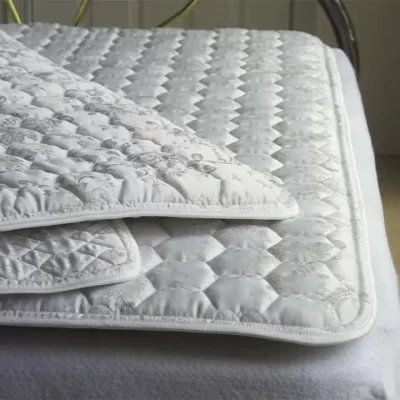
Mattress Toppers
Mattress ToppersPolyurethane (PU) foam is a popular choice for mattress toppers because of its ability to enhance sleeping comfort, adjust firmness, and prolong the life of your mattress. PU foam mattress toppers provide an additional layer of cushioning, making any mattress feel softer, more supportive, and ergonomically balanced. Available in a variety of densities and formulations, including memory foam and high-resilience foam, PU foam can be tailored to meet individual sleep preferences.
Memory foam PU toppers contour to the body, providing targeted pressure relief for sensitive areas such as the shoulders, hips, and lower back, reducing discomfort and promoting restful sleep.High-resilience PU foam offers a bouncier, supportive feel, helping maintain spinal alignment and improving overall posture during sleep. Beyond comfort, PU foam mattress toppers help extend the lifespan of your existing mattress by absorbing daily wear and reducing sagging over time. They are lightweight, easy to install, and simple to maintain, often featuring removable, washable covers for hygiene and convenience.
