
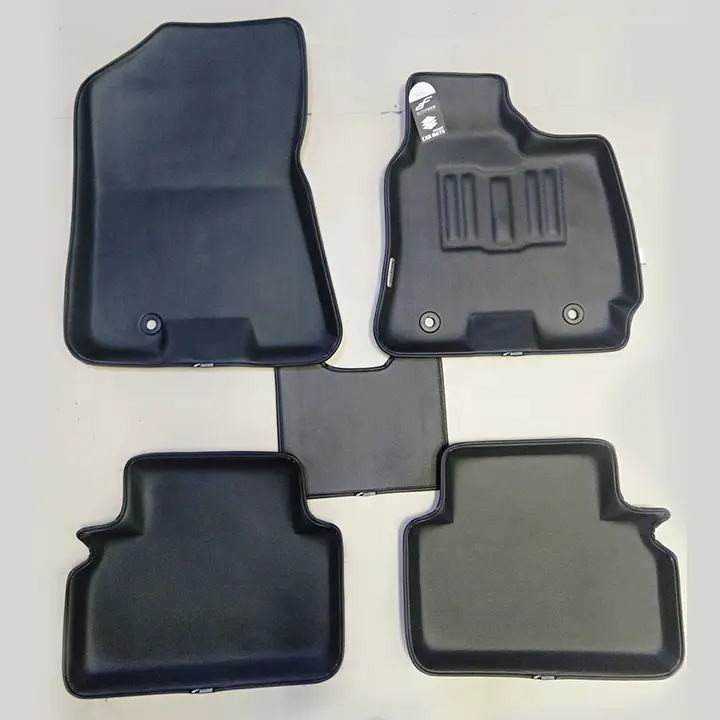
Automotive Flooring
Polyurethane (PU) foam is a versatile material widely used in automotive flooring to enhance comfort, insulation, and noise reduction. Its lightweight, durable, and flexible properties make it ideal for creating a quieter, more comfortable cabin environment while contributing to overall vehicle performance.
Key Applications of PU Foam in Automotive Flooring
Under-Carpet Padding: PU foam acts as a cushioning layer beneath carpets, improving seating comfort and ergonomics while providing a soft, supportive feel underfoot.
Sound Deadening Layer: Open-cell and flexible PU foams help reduce road noise, engine vibrations, and structural rattles, effectively addressing NVH (Noise, Vibration, Harshness) concerns in passenger cabins.
Thermal Insulation: PU foam provides a barrier against heat transfer from the engine bay, exhaust system, or external environment, helping maintain a comfortable cabin temperature and improving HVAC efficiency.
Description
Floor Panel Insulation: PU foam fills cavities in vehicle floor structures, minimizing rattling, vibrations, and sound transmission, which contributes to a quieter and more refined ride experience.
Molded Foam Flooring Inserts: For complex floor geometries—particularly in electric vehicles (EVs) or premium models—PU foam can be precisely molded to fit, ensuring consistent insulation, comfort, and structural support.
Polyurethane foam’s combination of comfort, sound absorption, thermal insulation, and adaptability makes it an essential material in modern automotive flooring solutions, enhancing passenger experience while supporting vehicle design and performance requirements.
Common PU Foam Types Used:
| Type | Key Features | Usage |
| Flexible PU Foam | Soft, resilient | Carpet underlay |
| Semi-rigid Foam | Structural and insulative | Molded inserts, panel linings |
| Open-cell PU Foam | Excellent sound absorption | NVH treatment under floors |
Applications of Polyurethane Foam in Automotive Flooring:
Under-Carpet Padding: Acts as a cushioning layer beneath carpets to improve comfort and ergonomics.
Sound Deadening Layer: Helps reduce road noise and vibrations (NVH – noise, vibration, harshness).
Thermal Insulation: Provides a barrier against heat transfer from the engine bay or exhaust system.
Floor Panel Insulation: Fills cavities in floor structures to reduce rattling and insulate against heat and sound.
Molded Foam Flooring Inserts: PU foam is shaped to fit complex vehicle floor geometries, especially in EVs or premium models.
Benefits of PU Foam in Flooring:
Lightweight: Contributes to overall vehicle weight reduction.
Flexible Design: Moldable to fit contours of the cabin floor.
Durability: Resists compression and wear from prolonged foot traffic.
Multi-functionality: Provides both thermal and acoustic insulation in one material.
Compatibility: Bonds well with other flooring materials like carpets or liners.
Manufacturing Techniques:
Molded Foam Underlay: PU is poured into molds to match floor contours.
Laminated Foam Layers: PU foam is bonded to carpets or non-woven fabric for easy installation.
Spray Foam or Pour-in-Place: Used in structural cavities for insulation and bonding.
Related Products and Applications
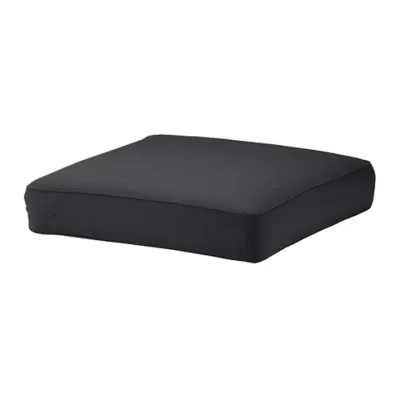
Seat Cushions
Seat CushionsPolyurethane (PU) foam is one of the most widely used materials in seat cushions, prized for its perfect balance of comfort, support, durability, and affordability. Its versatility makes it suitable for a wide range of seating applications, including office chairs, sofas, automotive seats, dining chairs, wheelchairs, and outdoor furniture.
PU foam can be engineered in different densities, firmness levels, and formulations, allowing manufacturers to create cushions tailored to specific ergonomic, comfort, and performance requirements.There are several types of PU foam commonly used in seat cushions. Conventional PU foam offers soft to medium support and is an economical choice for low-cost cushions or short-term use.

Sofa
SofaPolyurethane (PU) foam is the most widely used material in sofa manufacturing, making it the top choice for sofa cushions, armrests, and backrests. Known for its perfect balance of comfort, durability, and affordability, PU foam provides consistent support and long-lasting performance, making it ideal for residential, commercial, and hospitality seating solutions. High-resilience (HR) PU foam is commonly used in sofa cushions for its firm, bouncy support that retains shape over years of use, while memory foam variants contour to the body to relieve pressure points and enhance ergonomic comfort.
This versatility allows PU foam sofas to cater to a wide range of preferences, from soft and plush seating to firm, orthopedic support. PU foam is lightweight, adaptable, and easy to mold, allowing manufacturers to craft sofas in various designs, shapes, and firmness levels. When combined with other materials such as latex, fiber, or pocket springs, PU foam delivers enhanced comfort, responsiveness, and structural integrity. Choosing PU foam for sofa cushions and backrests ensures long-lasting comfort, excellent support, and high value for money.
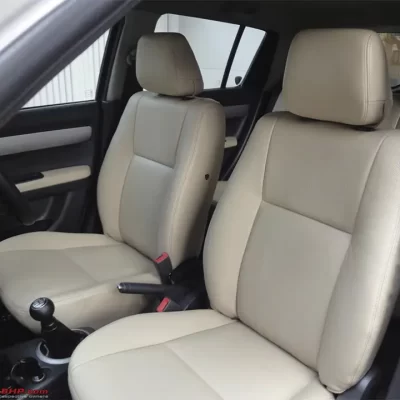
Seating
SeatingPolyurethane (PU) foam is a critical material in automotive seating, providing comfort, support, and durability. It is widely used in seat cushions, backs, bolsters, and headrests, helping manufacturers design seats that meet ergonomic, safety, and aesthetic requirements.
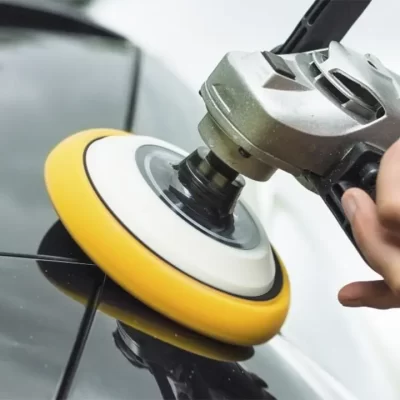
Polishing Foam
Polishing FoamPolyurethane (PU) Foam Application in Automotive Polishing
Polyurethane (PU) foam plays a critical role in the automotive polishing industry, serving as the primary material for polishing pads and buffing accessories. Its unique combination of softness, durability, and resilience ensures optimal performance, delivering smooth, flawless finishes while protecting vehicle surfaces during polishing and detailing processes.
Key Applications and Benefits of PU Foam in Automotive Polishing
- Polishing Pads: PU foam is expertly shaped into pads that can be mounted on rotary or dual-action polishers. These pads allow for controlled application of compounds, polishes, and waxes, ensuring even coverage and consistent results.
- Surface Protection: The inherent softness of PU foam ensures gentle abrasion, effectively removing oxidation, swirl marks, fine scratches, and minor surface imperfections without damaging paintwork.
