
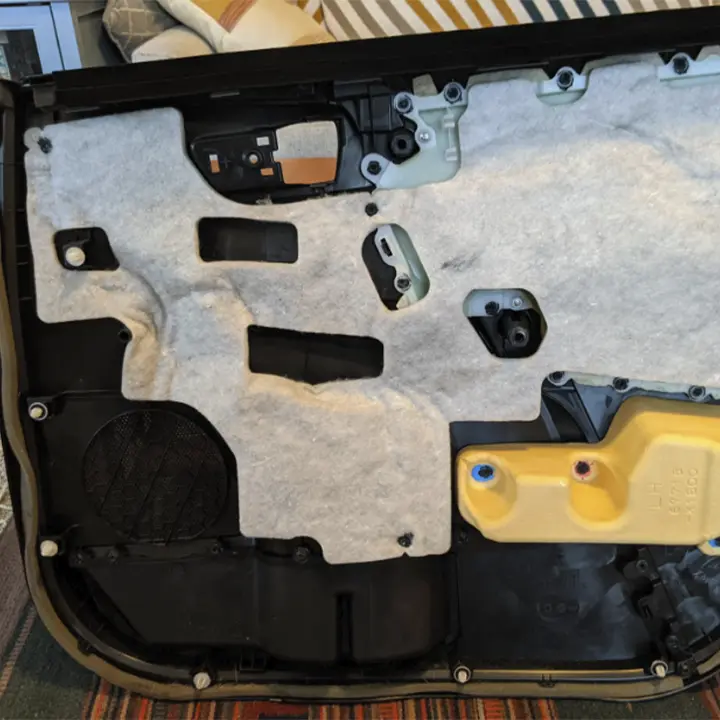
Automotive Sound Deadening
Polyurethane (PU) foam is widely used in the automotive industry for its exceptional ability to enhance cabin acoustics, reduce road noise, and provide a more comfortable driving experience. Its lightweight structure, versatility, and cost-effectiveness make it an ideal material for modern vehicle design and manufacturing. PU foam is incorporated into various parts of the vehicle—such as door panels, headliners, dashboards, trunk liners, floor sections, wheel arches, and seating—to effectively absorb sound and dampen vibrations.
By minimizing road noise, engine resonance, and exterior disturbances, PU foam helps create a quieter and more peaceful cabin environment for passengers. Beyond acoustic benefits, polyurethane foam also plays a significant role in thermal insulation, helping regulate interior temperature and reducing the load on the vehicle’s HVAC system. Its ability to be molded into complex shapes allows seamless integration into different automotive components without adding unnecessary weight, which further contributes to fuel efficiency and overall vehicle performance.
Description
Offering a balance of durability, flexibility, and performance, PU foam remains a preferred material for automotive manufacturers seeking reliable sound deadening, vibration control, and comfort-enhancing solutions
Types of PU Foam Used for Automotive Sound Insulation
| Foam Type | Properties | Typical Use |
| Open-Cell PU Foam | Highly porous, absorbs airborne noise | Headliners, doors, panels |
| Closed-Cell PU Foam | Dense, blocks both air and vibration | Floor insulation, engine bay |
| Reticulated PU Foam | Engineered for breathability and targeted frequency control | HVAC and interior acoustics |
| Multi-Layer Composite Foam | PU foam with barrier films or aluminum foil | Engine covers, heat + sound blocks |
Common Sound Issues Addressed
| Noise Type | Solution |
| Engine and drivetrain hum | Closed-cell PU foam barriers under the hood |
| Tire and road noise | Underbody floor insulation with PU foam backing |
| Wind noise | Door seal fillers and A-pillar acoustic foam |
| Cabin echo & vibration | Open-cell foam in roofliner, seats, and dash |
Key Automotive Applications of PU Foam for Acoustics
Headliners & Roof Panels: PU foam reduces rain impact noise and airborne sound transmission from the roof.
Door Panels & Pillars: Applied as filler or backing to absorb road and wind noise, blocks sound transmission from exterior to cabin.
Flooring & Underbody: Used beneath carpets or floor mats to dampen engine, exhaust, and road vibrations.
Dashboards & Instrument Panels: Controls buzz, squeak, and rattle (BSR) noises using molded foam inserts.
Engine Compartment (Acoustic Barriers): PU foam combined with foil layers insulates cabin from engine noise and heat.
Wheel Arches & Trunk Liners: Blocks tire and road noise at the source.
Benefits of PU Foam in Automotive Acoustics
Effective Noise Absorption: Controls wide frequency ranges including mid and high frequencies.
Lightweight & Flexible: Ideal for modern vehicle design and fuel economy standards.
Thermal Insulation Properties: Offers temperature stability in engine and interior zones.
Custom Moldability: Can be shaped for trim parts, dashboards, and hidden cavities.
Cost-Effective: Affordable alternative to heavier or more complex soundproofing materials.
- ISO 3795 / FMVSS 302: Flammability standards for automotive interior foam.
- OEM specifications: Custom formulations for NVH (Noise, Vibration, Harshness) control.
- RoHS / REACH compliance: For environmental and chemical safety.
Related Products and Applications
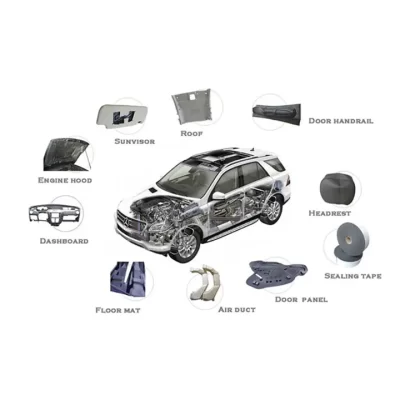
Insulation
InsulationPolyurethane (PU) foam is extensively used in the automotive industry as a highly effective insulation material, providing thermal control, acoustic dampening, and vibration reduction. Its lightweight, versatile, and durable properties make it an ideal choice for enhancing passenger comfort, improving cabin quietness, and boosting overall vehicle performance.
Key Applications of PU Foam in Automotive Insulation
Thermal Insulation: PU foam is widely used to reduce heat transfer from the engine, exhaust system, and external environment. It is commonly applied in floor panels, roof liners, and firewall insulation to maintain a stable cabin temperature. By improving thermal insulation, PU foam enhances HVAC efficiency, ensures passenger comfort, and helps optimize energy consumption.
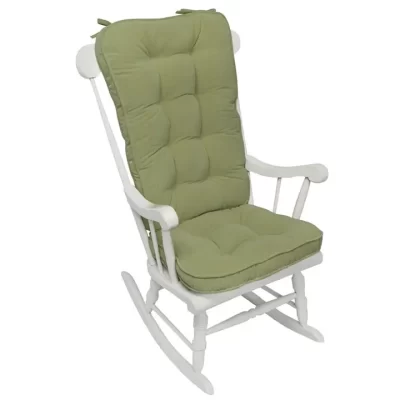
Office Chairs
Office ChairsPolyurethane (PU) foam is one of the most versatile materials used in the production of ergonomic office chairs, offering a unique combination of comfort, support, durability, and adaptability. Designed to withstand long hours of sitting, PU foam provides the cushioning necessary to reduce pressure on the back, hips, and thighs while maintaining proper posture and ergonomic alignment.
Its high resilience and flexible properties allow chair manufacturers to create seats and backrests that conform to the body’s contours without losing shape over time.This ensures consistent support throughout the day, helping prevent fatigue, discomfort, and posture-related health issues.PU foam can also be formulated in varying densities, offering options from softer cushioning for comfort to firmer support for enhanced posture management.
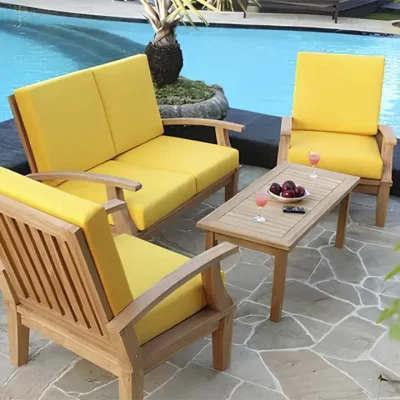
Outdoor Furniture
Outdoor FurniturePolyurethane (PU) foam is a versatile and widely used material in outdoor furniture cushions and padding due to its comfort, flexibility, resilience, and lightweight properties. Whether for patio chairs, garden benches, poolside loungers, or outdoor sofas, PU foam enhances the seating experience by providing soft yet supportive cushioning, ensuring comfort even during extended periods of use.
Specialized PU Foam for Outdoor Use
Standard PU foam, while excellent for indoor applications, is not always suitable for outdoor environments. Outdoor cushions require foams that can withstand moisture, UV exposure, temperature changes, and prolonged sunlight.To address these challenges, specialized formulations such as reticulated (open-cell) foam or quick-dry PU foam are commonly used.
- Reticulated PU Foam: Features an open-cell structure that allows water and air to pass through freely. This ensures rapid drying, prevents mold and mildew formation, and maintains hygienic conditions for outdoor seating.
Automotive Flooring
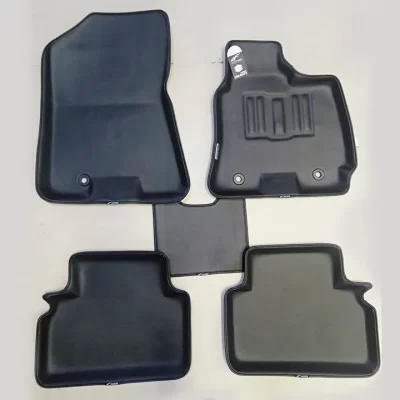
Automotive FlooringPolyurethane (PU) foam is a versatile material widely used in automotive flooring to enhance comfort, insulation, and noise reduction. Its lightweight, durable, and flexible properties make it ideal for creating a quieter, more comfortable cabin environment while contributing to overall vehicle performance.
Key Applications of PU Foam in Automotive Flooring
Under-Carpet Padding: PU foam acts as a cushioning layer beneath carpets, improving seating comfort and ergonomics while providing a soft, supportive feel underfoot.
Sound Deadening Layer: Open-cell and flexible PU foams help reduce road noise, engine vibrations, and structural rattles, effectively addressing NVH (Noise, Vibration, Harshness) concerns in passenger cabins.
Thermal Insulation: PU foam provides a barrier against heat transfer from the engine bay, exhaust system, or external environment, helping maintain a comfortable cabin temperature and improving HVAC efficiency.
