
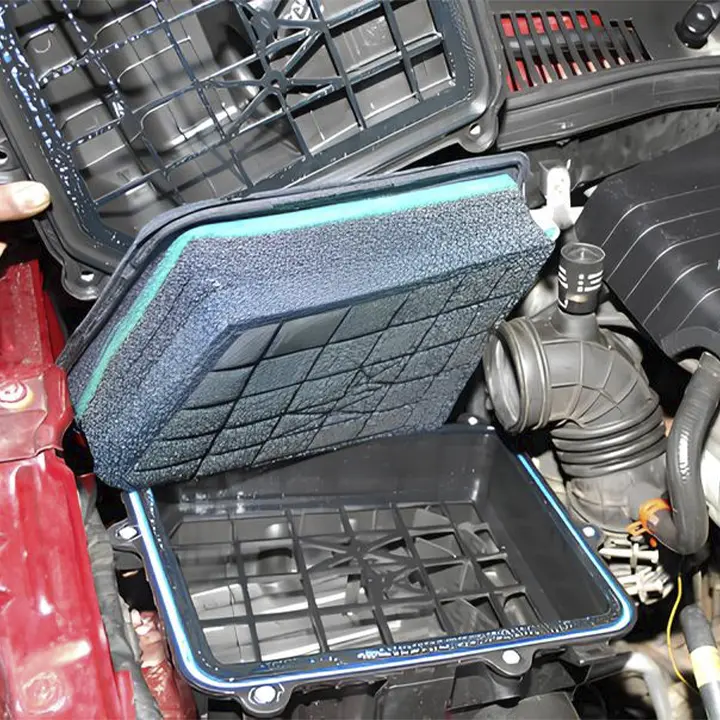
Filtration
Polyurethane (PU) foam is widely used in automotive filtration systems due to its open-cell, reticulated structure that provides excellent airflow while effectively trapping dust, debris, and other contaminants. Lightweight, flexible, chemically resistant, and highly customizable, PU foam is an ideal material for both air and fluid filtration applications in modern vehicles.
Key Applications of PU Foam in Automotive Filtration
Engine Air Filters: PU foam is often used as a primary or secondary filtration layer in engine air filters. It efficiently traps coarse particles, protecting the engine from dust and debris while enhancing performance and longevity.
Cabin Air Filters: In HVAC systems, PU foam captures dust, pollen, and airborne particles, improving cabin air quality and passenger comfort. Its flexibility allows it to conform to various filter shapes, maximizing filtration efficiency.
Description
Fuel and Oil Filters (Pre-Filtration Layers): PU foam acts as a pre-filtration layer in fuel and oil filters, capturing larger contaminants before they reach the finer media. This protects critical engine components, enhances system reliability, and prolongs the life of the primary filter.
HVAC System Filters: PU foam is also used in automotive HVAC systems as either a standalone filtration medium or in combination with other materials. It reduces dust accumulation in ducts and fans, ensures consistent airflow, supports thermal efficiency, and extends the overall lifespan of the system.
Polyurethane foam’s unique combination of airflow efficiency, contaminant trapping, chemical resistance, and adaptability makes it a key component in automotive filtration, supporting engine protection, cabin comfort, and system reliability across a variety of vehicle platforms.
Types of PU Foam Used:
| Foam Type | Application |
| Reticulated PU Foam | Air filters, HVAC systems, cabin air filters |
| Non-reticulated Foam | Pre-filters, dust barriers |
| Flexible PU Foam | Sealing or gasket elements in filters |
Key Applications in Automotive Filtration:
Engine Air Filters: Used as a primary or secondary layer, polyurethane foam in engine air filters traps coarse particles to protect the engine and enhance performance longevity.
Cabin Air Filters: In cabin air filters, polyurethane foam captures dust, pollen, and airborne particles from HVAC airflow, improving air quality and passenger comfort.
Fuel and Oil Filters (Pre-Filtration Layers): In fuel and oil filters, polyurethane foam functions as a pre-filtration layer, capturing larger contaminants to protect finer media and enhance system reliability.
HVAC System Filters: In HVAC system filters, polyurethane foam is used as a layer or full media to reduce dust buildup in ducts and fans, supporting thermal efficiency and extending system lifespan.
Advantages of PU Foam in Automotive Filters:
Open-cell Structure: Provides high porosity for efficient airflow and particle capture.
Custom PPI Range: Available in various pore sizes (typically 10–100 PPI) to meet specific filtration requirements.
Lightweight and Compressible: Fits easily into compact spaces and complex filter housings.
Durable and Chemical Resistant: Performs reliably in oil, fuel, and humid environments.
Washable and Reusable (in some designs): Especially in performance or aftermarket air filters.
Manufacturing & Integration:
Molded foam inserts for custom-fit filter housings.
Laminated layers with synthetic or cellulose media.
Foam sealing gaskets for air-tight filter placement.
Related Products and Applications
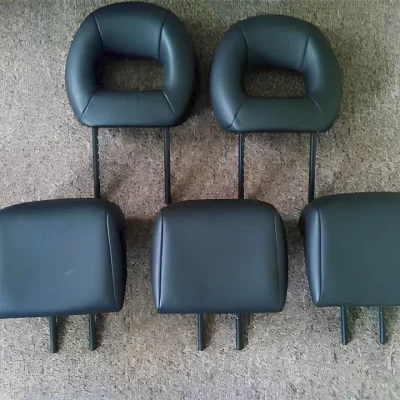
Headrests and Armrests
Headrests and ArmrestsPolyurethane (PU) foam is a versatile and essential material in automotive interiors, particularly in headrests and armrests, where comfort, durability, and ergonomic design are critical. Its moldability, resilience, and long-lasting properties make it ideal for delivering superior passenger comfort and maintaining safety standards.
Armrests: In automotive armrests, PU foam provides a soft yet supportive surface that enhances passenger comfort during long drives. Many armrests use integral skin PU foam, which combines a cushioned inner core with a durable outer layer. This construction ensures a smooth, wear-resistant surface that withstands scratches, environmental exposure, and frequent use, while maintaining a premium look and feel.
Headrests: For headrests, PU foam plays a dual role in comfort and safety. High-resilience (HR) PU foam is typically used to absorb impact forces during collisions while providing consistent support for the head and neck during normal driving. The foam’s excellent recovery properties ensure that the headrest retains its shape and effectiveness over time, contributing to ergonomic support and overall occupant safety.
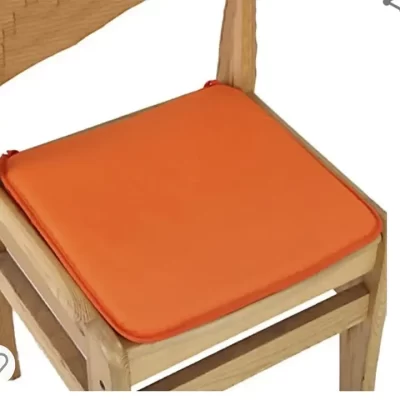
Chair Pads
Chair PadsPolyurethane (PU) foam is one of the most versatile materials used in chair pads, prized for its comfort, resilience, and affordability. Its unique properties make it suitable for a wide range of seating applications, including office chairs, dining chairs, wheelchairs, lounge seating, and outdoor furniture.PU foam provides a perfect balance of softness and support, ensuring that users can sit for extended periods without discomfort or strain.The flexible structure of PU foam allows it to conform to the contours of the body, distributing weight evenly and reducing pressure points on the hips, thighs, and lower back.
This ergonomic support is especially valuable for office and healthcare environments, where prolonged sitting is common. Despite its softness, PU foam is highly resilient, meaning it maintains its shape and firmness over time, making it a long-lasting investment for both residential and commercial use PU foam chair pads are also lightweight, easy to move, and simple to clean, adding to their practicality. They can be paired with various fabric or leather covers, allowing for customization in design, texture, and color to match interior aesthetics.
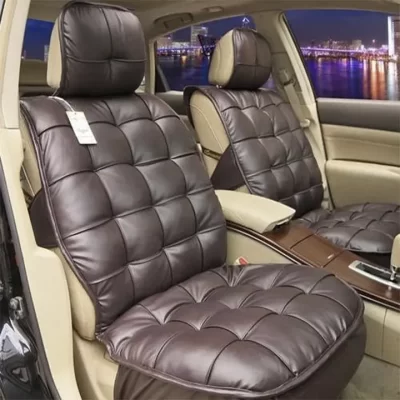
Interior Trim And Upholstery
Interior Trim And Upholstery
Interior Trim And Upholstery
Interior Trim And UpholsteryPolyurethane (PU) foam is a cornerstone material in automotive interior trim and upholstery, providing comfort, cushioning, and aesthetic appeal. Its versatility, durability, and customizable properties make it ideal for a wide range of interior components, enhancing both passenger comfort and vehicle design.
Key Applications of PU Foam in Interior Trim and Upholstery
- Seat Cushions and Backs: PU foam improves seating comfort by providing ergonomic support and even pressure distribution. High-resilience foams retain their shape over extended use, and multi-density designs allow different firmness zones within a single seat, optimizing lumbar, thigh, and back support.
- Door Panels and Armrests: Integral skin PU foam creates soft, durable surfaces with excellent abrasion resistance, delivering a premium feel and tactile comfort while enhancing overall interior aesthetics.
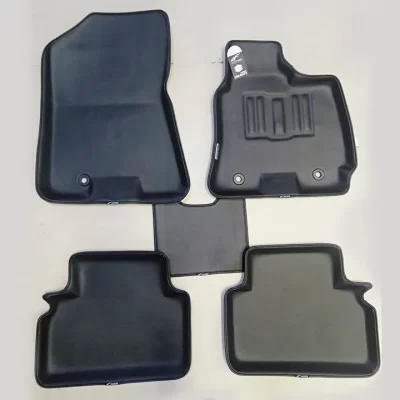
Automotive Flooring
Automotive FlooringPolyurethane (PU) foam is a versatile material widely used in automotive flooring to enhance comfort, insulation, and noise reduction. Its lightweight, durable, and flexible properties make it ideal for creating a quieter, more comfortable cabin environment while contributing to overall vehicle performance.
Key Applications of PU Foam in Automotive Flooring
Under-Carpet Padding: PU foam acts as a cushioning layer beneath carpets, improving seating comfort and ergonomics while providing a soft, supportive feel underfoot.
Sound Deadening Layer: Open-cell and flexible PU foams help reduce road noise, engine vibrations, and structural rattles, effectively addressing NVH (Noise, Vibration, Harshness) concerns in passenger cabins.
Thermal Insulation: PU foam provides a barrier against heat transfer from the engine bay, exhaust system, or external environment, helping maintain a comfortable cabin temperature and improving HVAC efficiency.
