

Insole & Comfort
Ergonomic Insoles & Internal Comfort
Understanding the Role of Insole Foam in Footwear
In footwear construction, the insole is the primary contact surface between the foot and the shoe. While outsole and midsole components manage structural load and durability, the insole determines how the shoe feels during wear. Its function is to manage pressure, regulate moisture and temperature, and maintain comfort over extended periods of use.This section focuses exclusively on insole and footbed foams, which are designed for direct foot contact rather than structural support.
Why Insole Foam Selection Is Critical
Insole foam influences comfort from the first step and plays a significant role in reducing fatigue during prolonged standing or walking. Poor foam selection can lead to early flattening, heat buildup, pressure concentration at the heel or forefoot, and hygiene issues. Even footwear with a durable sole construction may fail in user satisfaction if the insole does not perform consistently.At the manufacturing stage, the choice of insole foam largely determines the long-term comfort perception of the shoe.
Description
Common Foam Technologies Used in Insoles
Memory Foam (Viscoelastic Polyurethane): Memory foam is widely used in insoles due to its ability to adapt to the shape of the foot under load. Typically produced in density ranges of 40–80 kg/m³ with thicknesses between 4 mm and 15 mm, this material redistributes pressure across the foot surface. Its slow recovery characteristics help reduce localized stress in the heel and forefoot, making it suitable for comfort-oriented and orthopedic footwear, as well as for users who remain on their feet for extended durations.
Open-Cell Polyurethane Foam: Open-cell PU foam is selected primarily for its breathability. With density ranges generally between 20–45 kg/m³ and thicknesses of 3–12 mm, its interconnected cell structure allows air movement through the insole. This helps regulate temperature and moisture, which is particularly important in sports footwear, daily wear shoes, and warm-weather applications.
High-Resilience (HR) Foam: High-resilience foam is used where durability of comfort is required. Commonly produced in 30–55 kg/m³ densities and 5–18 mm thicknesses, HR foam provides higher rebound compared to standard PU foams. Rather than flattening over time, it maintains its shape and support characteristics, making it appropriate for walking shoes, adult footwear, and orthopedic insoles that require stable cushioning over repeated use.
Antimicrobial Treated Insole Foams: In enclosed footwear, hygiene is an important functional requirement. Antimicrobial treatments—such as silver-ion or organic additives—are often applied to insole foams to limit the growth of odor-causing bacteria and fungi. These treatments are designed to remain effective throughout the usable life of the insole without significantly altering softness or comfort characteristics. Such foams are commonly used in sports, safety, children’s, and medical footwear.
Related Products and Applications
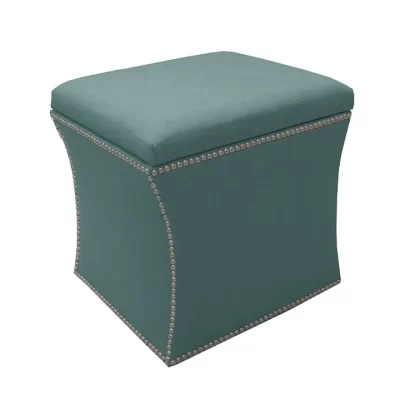
Stool
StoolPolyurethane (PU) foam is one of the most versatile and widely used materials in stool manufacturing, particularly for padded seat tops. Renowned for its superior comfort, support, and durability, PU foam is an ideal choice for a wide range of stools, including kitchen stools, bar stools, office stools, workbench seating, and medical or laboratory stools. Its ability to conform to the body provides ergonomic support, reducing pressure on the hips and lower back during extended periods of sitting.
Different types of PU foam can be used depending on the application. High-resilience (HR) foam offers firm support and long-lasting bounce, making it perfect for commercial or frequently used stools. Memory foam variants provide pressure relief and contouring comfort, ideal for ergonomic or medical seating. Reticulated or open-cell PU foam can be used for ventilated or quick-dry stool cushions, especially in outdoor or humid environments.

Sunvisor
SunvisorPolyurethane (PU) foam is extensively used in automotive sun visors to provide the perfect balance of support, comfort, and durability. Acting as a core material, PU foam offers structural integrity while maintaining lightweight properties, which is essential for vehicle efficiency and ease of use.
Key Benefits and Applications
Structural Support: PU foam gives sun visors a firm yet slightly flexible core, ensuring they retain shape over time without sagging or deforming.
Cushioning & Comfort: The foam layer provides a soft surface that enhances tactile comfort while handling the visor.
Surface Smoothness & Finish: PU foam allows manufacturers to achieve smooth, aesthetically appealing surfaces, whether covered with fabric, vinyl, or leather.
Interior Trim And Upholstery
Interior Trim And Upholstery
Interior Trim And Upholstery
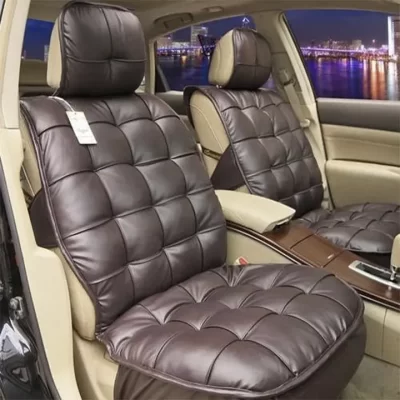
Interior Trim And UpholsteryPolyurethane (PU) foam is a cornerstone material in automotive interior trim and upholstery, providing comfort, cushioning, and aesthetic appeal. Its versatility, durability, and customizable properties make it ideal for a wide range of interior components, enhancing both passenger comfort and vehicle design.
Key Applications of PU Foam in Interior Trim and Upholstery
- Seat Cushions and Backs: PU foam improves seating comfort by providing ergonomic support and even pressure distribution. High-resilience foams retain their shape over extended use, and multi-density designs allow different firmness zones within a single seat, optimizing lumbar, thigh, and back support.
- Door Panels and Armrests: Integral skin PU foam creates soft, durable surfaces with excellent abrasion resistance, delivering a premium feel and tactile comfort while enhancing overall interior aesthetics.
Automotive Sound Deadening
Automotive Sound Deadening
Automotive Sound Deadening
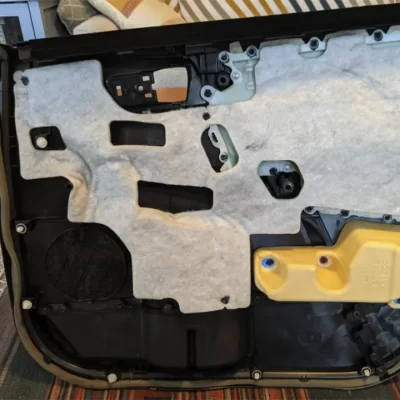
Automotive Sound DeadeningPolyurethane (PU) foam is widely used in the automotive industry for its exceptional ability to enhance cabin acoustics, reduce road noise, and provide a more comfortable driving experience. Its lightweight structure, versatility, and cost-effectiveness make it an ideal material for modern vehicle design and manufacturing. PU foam is incorporated into various parts of the vehicle—such as door panels, headliners, dashboards, trunk liners, floor sections, wheel arches, and seating—to effectively absorb sound and dampen vibrations.
By minimizing road noise, engine resonance, and exterior disturbances, PU foam helps create a quieter and more peaceful cabin environment for passengers. Beyond acoustic benefits, polyurethane foam also plays a significant role in thermal insulation, helping regulate interior temperature and reducing the load on the vehicle’s HVAC system. Its ability to be molded into complex shapes allows seamless integration into different automotive components without adding unnecessary weight, which further contributes to fuel efficiency and overall vehicle performance.
