
Insulation
Polyurethane (PU) foam is extensively used in the automotive industry as a highly effective insulation material, providing thermal control, acoustic dampening, and vibration reduction. Its lightweight, versatile, and durable properties make it an ideal choice for enhancing passenger comfort, improving cabin quietness, and boosting overall vehicle performance.
Key Applications of PU Foam in Automotive Insulation
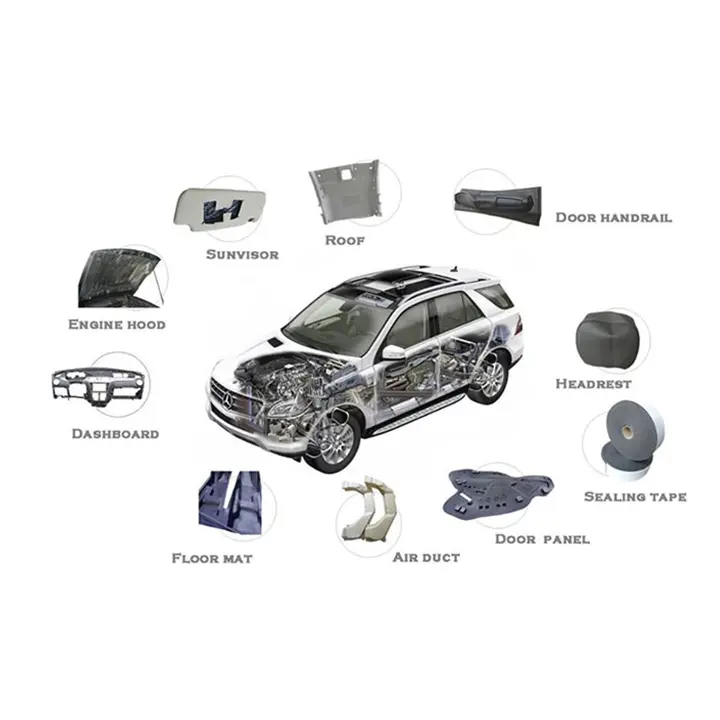
Thermal Insulation: PU foam is widely used to reduce heat transfer from the engine, exhaust system, and external environment. It is commonly applied in floor panels, roof liners, and firewall insulation to maintain a stable cabin temperature. By improving thermal insulation, PU foam enhances HVAC efficiency, ensures passenger comfort, and helps optimize energy consumption.
Description
Acoustic Insulation: Open-cell and reticulated PU foams are highly effective at absorbing sound waves, reducing road, engine, and wind noise. These foams are applied in door panels, floor mats, wheel arches, and trunk liners, significantly improving cabin quietness and delivering a more comfortable driving experience.
Vibration Dampening: PU foam cushions and isolates vibrations generated by the drivetrain, suspension, and other vehicle components. By reducing vibration, PU foam contributes to smoother ride quality, lowers noise levels, and enhances driver and passenger comfort.
Polyurethane foam’s unique combination of thermal, acoustic, and vibration control capabilities makes it an indispensable material in modern automotive insulation. Its lightweight nature and adaptability allow engineers to optimize interior comfort, improve vehicle efficiency, and deliver a premium driving experience.
Common PU Foam Types for Insulation
| Foam Type | Typical Use |
| Open-cell PU foam | Acoustic insulation |
| Semi-rigid PU foam | Thermal insulation and structural support |
| Reticulated foam | Noise absorption and airflow management |
Key Applications of Polyurethane Foam in Automotive Insulation
Thermal Insulation: Polyurethane (PU) foam is used in automotive applications to reduce heat transfer from the engine, exhaust system, and external environment. Commonly applied in floor panels, firewall insulation, and roof liners, PU foam helps maintain a stable cabin temperature. By enhancing thermal insulation, it improves the efficiency of the HVAC system and contributes to greater occupant comfort.
Acoustic Insulation: Open-cell and reticulated polyurethane (PU) foams are effective at absorbing sound waves, helping to reduce noise from the road, engine, and wind. These foams are commonly used in door panels, floor mats, wheel arches, and trunk liners, where they play a key role in acoustic insulation. As a result, they contribute significantly to creating a quieter and more comfortable cabin environment.
Vibration Dampening: Polyurethane (PU) foam also serves as an effective material for cushioning and isolating vibrations generated by the drivetrain and suspension system. By dampening these vibrations, PU foam enhances overall ride quality and helps reduce noise that can lead to driver and passenger fatigue.
Benefits of Using Polyurethane Foam for Automotive Insulation
Lightweight: Contributes to fuel efficiency by minimizing added weight.
Flexible and Moldable: Can be shaped to fit complex geometries within the vehicle.
Durable: Resistant to compression set, moisture, and temperature fluctuations.
Cost-Effective: Combines multiple insulation functions in one material.
Eco-Friendly Options: Some PU foams incorporate bio-based polyols or recyclable components.
- PU foam is often sprayed, molded, or poured into vehicle cavities and panels.
- Laminated with fabrics or films for additional protective layers.
- Can be combined with other materials like fiberglass or mineral wool for enhanced performance.
Related Products and Applications

Sofa
SofaPolyurethane (PU) foam is the most widely used material in sofa manufacturing, making it the top choice for sofa cushions, armrests, and backrests. Known for its perfect balance of comfort, durability, and affordability, PU foam provides consistent support and long-lasting performance, making it ideal for residential, commercial, and hospitality seating solutions. High-resilience (HR) PU foam is commonly used in sofa cushions for its firm, bouncy support that retains shape over years of use, while memory foam variants contour to the body to relieve pressure points and enhance ergonomic comfort.
This versatility allows PU foam sofas to cater to a wide range of preferences, from soft and plush seating to firm, orthopedic support. PU foam is lightweight, adaptable, and easy to mold, allowing manufacturers to craft sofas in various designs, shapes, and firmness levels. When combined with other materials such as latex, fiber, or pocket springs, PU foam delivers enhanced comfort, responsiveness, and structural integrity. Choosing PU foam for sofa cushions and backrests ensures long-lasting comfort, excellent support, and high value for money.
Office Chairs
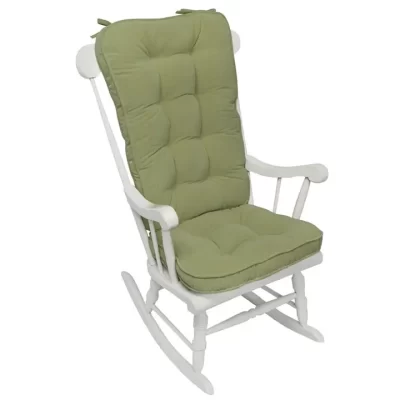
Office ChairsPolyurethane (PU) foam is one of the most versatile materials used in the production of ergonomic office chairs, offering a unique combination of comfort, support, durability, and adaptability. Designed to withstand long hours of sitting, PU foam provides the cushioning necessary to reduce pressure on the back, hips, and thighs while maintaining proper posture and ergonomic alignment.
Its high resilience and flexible properties allow chair manufacturers to create seats and backrests that conform to the body’s contours without losing shape over time.This ensures consistent support throughout the day, helping prevent fatigue, discomfort, and posture-related health issues.PU foam can also be formulated in varying densities, offering options from softer cushioning for comfort to firmer support for enhanced posture management.

Baby Products
Baby ProductsPolyurethane (PU) foam is one of the most popular materials used in baby care products due to its softness, flexibility, lightweight design, and excellent cushioning properties. These qualities make PU foam ideal for creating comfortable, supportive, and safe surfaces in items such as baby mattresses, crib pads, cushions, play mats, and other infant accessories.Its ability to adapt to a baby’s body ensures even weight distribution and gentle support, which is essential for the healthy development of delicate bones and muscles.
Given the sensitive nature of infant products, safety and hygiene are paramount. PU foam used in baby care must comply with strict safety standards and certifications, ensuring that it is non-toxic, hypoallergenic, flame-retardant, andfree from harmful chemicals or volatile organic compounds (VOCs). Using high-quality PU foam not only provides a comfortable and supportive sleep environment but also guarantees durability, resilience, and shape retention over long-term use Parents and caregivers can also benefit from PU foam’s lightweight and portable nature, making baby products easy to handle, move, or store without compromising comfort or safety.
Interior Trim And Upholstery
Interior Trim And Upholstery
Interior Trim And Upholstery
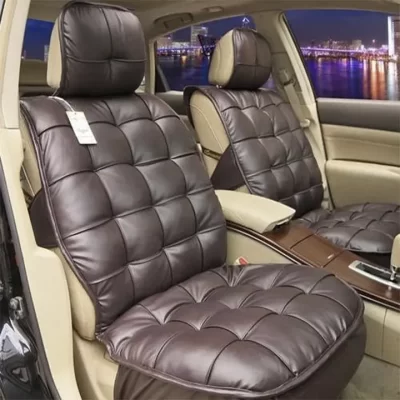
Interior Trim And UpholsteryPolyurethane (PU) foam is a cornerstone material in automotive interior trim and upholstery, providing comfort, cushioning, and aesthetic appeal. Its versatility, durability, and customizable properties make it ideal for a wide range of interior components, enhancing both passenger comfort and vehicle design.
Key Applications of PU Foam in Interior Trim and Upholstery
- Seat Cushions and Backs: PU foam improves seating comfort by providing ergonomic support and even pressure distribution. High-resilience foams retain their shape over extended use, and multi-density designs allow different firmness zones within a single seat, optimizing lumbar, thigh, and back support.
- Door Panels and Armrests: Integral skin PU foam creates soft, durable surfaces with excellent abrasion resistance, delivering a premium feel and tactile comfort while enhancing overall interior aesthetics.
