
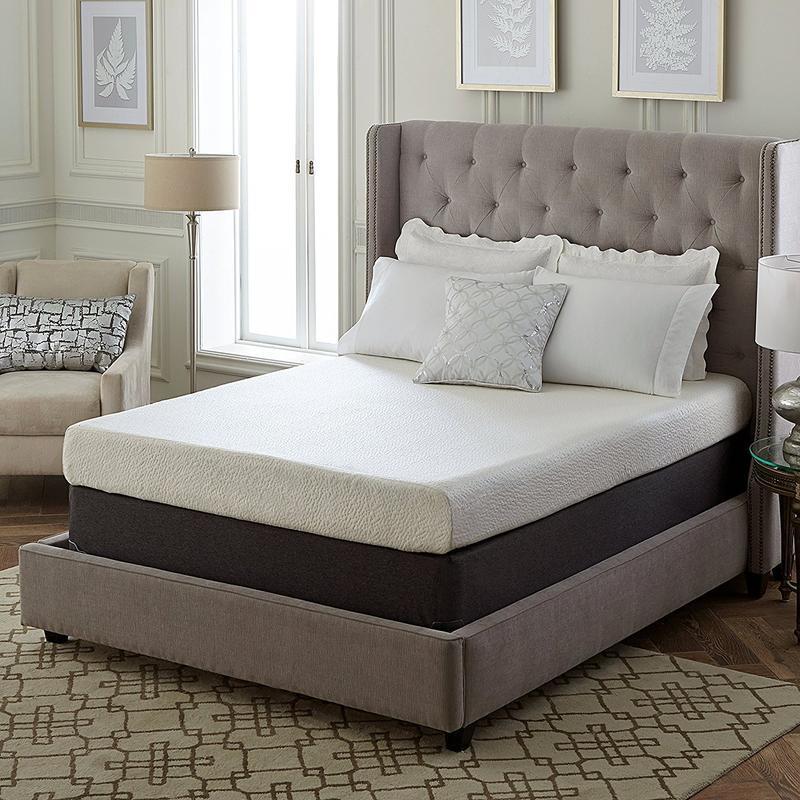
Mattresses
Polyurethane (PU) foam is one of the most widely used materials in the mattress industry, valued for its comfort, support, adaptability, and cost-effectiveness. Its versatility allows it to be used as both a core support layer and a comfort layer across a variety of mattress types, including all-foam mattresses, hybrid mattresses, and spring-based mattresses. PU foam provides a balanced combination of softness and support, adapting to the body’s contours to relieve pressure points while maintaining proper spinal alignment.
Its lightweight and flexible nature makes it ideal for layering with other materials such as memory foam, latex, or coir to create customized sleep experiences. One of the key advantages of PU foam is its affordability without compromising on comfort. It is available in multiple densities and formulations, allowing mattress manufacturers to tailor the firmness and resilience according to different sleep preferences. PU foam is also durable, helping mattresses maintain shape and support over time, while its open-cell structure in certain formulations can improve air circulation and temperature regulation for a cooler sleep.
Description
Types of Polyurethane Foam Used in Mattresses
| Type | Characteristics | Best For |
| Conventional PU Foam | Soft, budget-friendly, decent comfort | Guest beds, children’s mattresses |
| High-Resilience (HR) Foam | Durable, bouncy, responsive support | Premium mattresses, daily use |
| Memory Foam | Viscoelastic, body-contouring, slow response | Pressure relief, motion isolation |
| Gel-infused PU Foam | Cools down traditional memory foam, enhances airflow | Hot sleepers |
Comfort Layer: Soft or medium-density PU foam is used in the upper layers of mattresses to provide initial plushness and pressure relief, and it can be shaped to enhance airflow and temperature regulation.
Support Core: High-density polyurethane foam forms the base layer of all-foam mattresses, providing essential structure, support, spinal alignment, and long-term durability.
Transition Layer: Placed between soft comfort foam and the support core to gradually shift firmness and improve motion isolation.
Edge Support: High-density PU foam is used around mattress borders to reinforce edge support and prevent sagging.
Comfort Customization: Different densities and firmness levels available.
Excellent Pressure Relief: Especially in memory foam formulations.
Motion Isolation: Ideal for couples.
Durability: High-resilience foam lasts longer and resists sagging.
Lightweight: Easier to transport and set up.
Affordable: More economical than latex or innerspring systems.
PU foam used in mattresses must meet health and safety standards. Look for:
CertiPUR-US® certification (low VOCs, no formaldehyde, phthalates, or heavy metals)
OEKO-TEX® certification for fabric and cover materials
Fire-retardant treatment in compliance with local regulations
Related Products and Applications
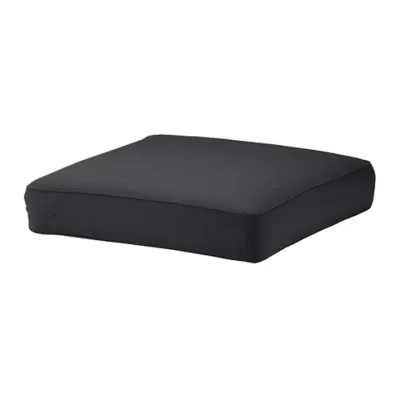
Seat Cushions
Seat CushionsPolyurethane (PU) foam is one of the most widely used materials in seat cushions, prized for its perfect balance of comfort, support, durability, and affordability. Its versatility makes it suitable for a wide range of seating applications, including office chairs, sofas, automotive seats, dining chairs, wheelchairs, and outdoor furniture.
PU foam can be engineered in different densities, firmness levels, and formulations, allowing manufacturers to create cushions tailored to specific ergonomic, comfort, and performance requirements.There are several types of PU foam commonly used in seat cushions. Conventional PU foam offers soft to medium support and is an economical choice for low-cost cushions or short-term use.
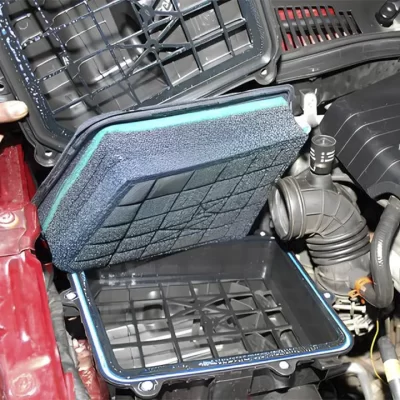
Filtration
FiltrationPolyurethane (PU) foam is widely used in automotive filtration systems due to its open-cell, reticulated structure that provides excellent airflow while effectively trapping dust, debris, and other contaminants. Lightweight, flexible, chemically resistant, and highly customizable, PU foam is an ideal material for both air and fluid filtration applications in modern vehicles.
Key Applications of PU Foam in Automotive Filtration
Engine Air Filters: PU foam is often used as a primary or secondary filtration layer in engine air filters. It efficiently traps coarse particles, protecting the engine from dust and debris while enhancing performance and longevity.
Cabin Air Filters: In HVAC systems, PU foam captures dust, pollen, and airborne particles, improving cabin air quality and passenger comfort. Its flexibility allows it to conform to various filter shapes, maximizing filtration efficiency.

Interior Trim And Upholstery
Interior Trim And Upholstery
Interior Trim And Upholstery
Interior Trim And UpholsteryPolyurethane (PU) foam is a cornerstone material in automotive interior trim and upholstery, providing comfort, cushioning, and aesthetic appeal. Its versatility, durability, and customizable properties make it ideal for a wide range of interior components, enhancing both passenger comfort and vehicle design.
Key Applications of PU Foam in Interior Trim and Upholstery
- Seat Cushions and Backs: PU foam improves seating comfort by providing ergonomic support and even pressure distribution. High-resilience foams retain their shape over extended use, and multi-density designs allow different firmness zones within a single seat, optimizing lumbar, thigh, and back support.
- Door Panels and Armrests: Integral skin PU foam creates soft, durable surfaces with excellent abrasion resistance, delivering a premium feel and tactile comfort while enhancing overall interior aesthetics.

Sofa
SofaPolyurethane (PU) foam is the most widely used material in sofa manufacturing, making it the top choice for sofa cushions, armrests, and backrests. Known for its perfect balance of comfort, durability, and affordability, PU foam provides consistent support and long-lasting performance, making it ideal for residential, commercial, and hospitality seating solutions. High-resilience (HR) PU foam is commonly used in sofa cushions for its firm, bouncy support that retains shape over years of use, while memory foam variants contour to the body to relieve pressure points and enhance ergonomic comfort.
This versatility allows PU foam sofas to cater to a wide range of preferences, from soft and plush seating to firm, orthopedic support. PU foam is lightweight, adaptable, and easy to mold, allowing manufacturers to craft sofas in various designs, shapes, and firmness levels. When combined with other materials such as latex, fiber, or pocket springs, PU foam delivers enhanced comfort, responsiveness, and structural integrity. Choosing PU foam for sofa cushions and backrests ensures long-lasting comfort, excellent support, and high value for money.
