

Polishing Foam
Polyurethane (PU) Foam Application in Automotive Polishing
Polyurethane (PU) foam plays a critical role in the automotive polishing industry, serving as the primary material for polishing pads and buffing accessories. Its unique combination of softness, durability, and resilience ensures optimal performance, delivering smooth, flawless finishes while protecting vehicle surfaces during polishing and detailing processes.
Key Applications and Benefits of PU Foam in Automotive Polishing
- Polishing Pads: PU foam is expertly shaped into pads that can be mounted on rotary or dual-action polishers. These pads allow for controlled application of compounds, polishes, and waxes, ensuring even coverage and consistent results.
- Surface Protection: The inherent softness of PU foam ensures gentle abrasion, effectively removing oxidation, swirl marks, fine scratches, and minor surface imperfections without damaging paintwork.
Description
- Varied Foam Grades: PU foam is available in multiple densities and pore structures—ranging from open-cell to closed-cell—offering options for cutting, polishing, and finishing stages of automotive detailing. This versatility allows detailers to select the ideal pad for each application.
- Heat Resistance: Polishing generates frictional heat, and PU foam’s resilience ensures that pads maintain their shape, integrity, and effectiveness without degrading over time.
- Durability and Reusability: High-quality PU foam pads withstand repeated use, providing consistent performance over multiple polishing cycles, reducing costs, and enhancing efficiency.
Polyurethane foam polishing pads are a preferred choice for professional detailers and automotive enthusiasts alike. Their combination of precision, surface protection, and adaptability makes PU foam indispensable in achieving showroom-quality vehicle finishes.
Key Roles of PU Foam in Automotive Polishing
Polishing Pads: PU foam is shaped into pads that attach to rotary or dual-action polishers, allowing controlled application of compounds and waxes.
Surface Protection: The foam's softness ensures gentle abrasion, preventing scratches while removing oxidation, swirl marks, and minor imperfections.
Varied Foam Grades: Different foam densities and pore structures (open-cell or closed-cell) provide options for cutting, polishing, and finishing steps.
Heat Resistance: PU foam withstands heat buildup generated during polishing without degrading.
Benefits of Using PU Foam in Polishing Pads
Consistent Performance: Maintains shape and firmness during repeated use.
Versatility: Suitable for all paint types and surfaces including clear coats.
Durability: Resists tearing and breakdown over time.
Customization: Available in various sizes, shapes, and firmness levels tailored to specific polishing needs.
Related Products and Applications

Baby Products
Baby ProductsPolyurethane (PU) foam is one of the most popular materials used in baby care products due to its softness, flexibility, lightweight design, and excellent cushioning properties. These qualities make PU foam ideal for creating comfortable, supportive, and safe surfaces in items such as baby mattresses, crib pads, cushions, play mats, and other infant accessories.Its ability to adapt to a baby’s body ensures even weight distribution and gentle support, which is essential for the healthy development of delicate bones and muscles.
Given the sensitive nature of infant products, safety and hygiene are paramount. PU foam used in baby care must comply with strict safety standards and certifications, ensuring that it is non-toxic, hypoallergenic, flame-retardant, andfree from harmful chemicals or volatile organic compounds (VOCs). Using high-quality PU foam not only provides a comfortable and supportive sleep environment but also guarantees durability, resilience, and shape retention over long-term use Parents and caregivers can also benefit from PU foam’s lightweight and portable nature, making baby products easy to handle, move, or store without compromising comfort or safety.
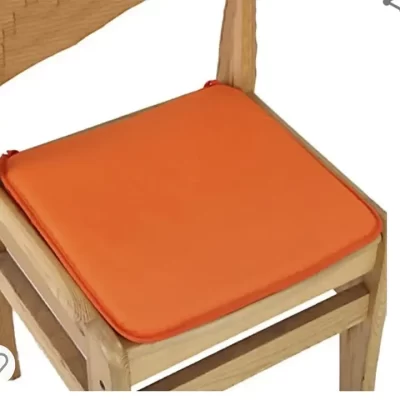
Chair Pads
Chair PadsPolyurethane (PU) foam is one of the most versatile materials used in chair pads, prized for its comfort, resilience, and affordability. Its unique properties make it suitable for a wide range of seating applications, including office chairs, dining chairs, wheelchairs, lounge seating, and outdoor furniture.PU foam provides a perfect balance of softness and support, ensuring that users can sit for extended periods without discomfort or strain.The flexible structure of PU foam allows it to conform to the contours of the body, distributing weight evenly and reducing pressure points on the hips, thighs, and lower back.
This ergonomic support is especially valuable for office and healthcare environments, where prolonged sitting is common. Despite its softness, PU foam is highly resilient, meaning it maintains its shape and firmness over time, making it a long-lasting investment for both residential and commercial use PU foam chair pads are also lightweight, easy to move, and simple to clean, adding to their practicality. They can be paired with various fabric or leather covers, allowing for customization in design, texture, and color to match interior aesthetics.
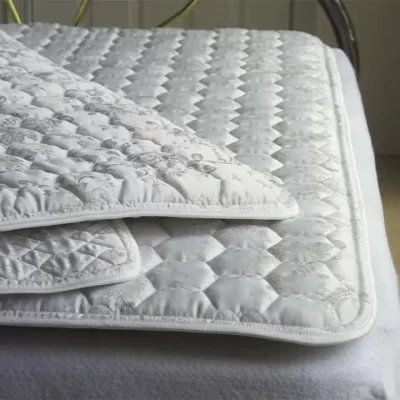
Mattress Toppers
Mattress ToppersPolyurethane (PU) foam is a popular choice for mattress toppers because of its ability to enhance sleeping comfort, adjust firmness, and prolong the life of your mattress. PU foam mattress toppers provide an additional layer of cushioning, making any mattress feel softer, more supportive, and ergonomically balanced. Available in a variety of densities and formulations, including memory foam and high-resilience foam, PU foam can be tailored to meet individual sleep preferences.
Memory foam PU toppers contour to the body, providing targeted pressure relief for sensitive areas such as the shoulders, hips, and lower back, reducing discomfort and promoting restful sleep.High-resilience PU foam offers a bouncier, supportive feel, helping maintain spinal alignment and improving overall posture during sleep. Beyond comfort, PU foam mattress toppers help extend the lifespan of your existing mattress by absorbing daily wear and reducing sagging over time. They are lightweight, easy to install, and simple to maintain, often featuring removable, washable covers for hygiene and convenience.
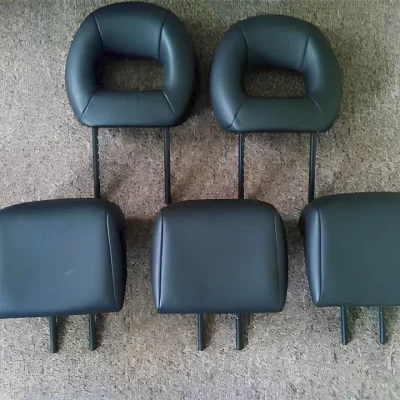
Headrests and Armrests
Headrests and ArmrestsPolyurethane (PU) foam is a versatile and essential material in automotive interiors, particularly in headrests and armrests, where comfort, durability, and ergonomic design are critical. Its moldability, resilience, and long-lasting properties make it ideal for delivering superior passenger comfort and maintaining safety standards.
Armrests: In automotive armrests, PU foam provides a soft yet supportive surface that enhances passenger comfort during long drives. Many armrests use integral skin PU foam, which combines a cushioned inner core with a durable outer layer. This construction ensures a smooth, wear-resistant surface that withstands scratches, environmental exposure, and frequent use, while maintaining a premium look and feel.
Headrests: For headrests, PU foam plays a dual role in comfort and safety. High-resilience (HR) PU foam is typically used to absorb impact forces during collisions while providing consistent support for the head and neck during normal driving. The foam’s excellent recovery properties ensure that the headrest retains its shape and effectiveness over time, contributing to ergonomic support and overall occupant safety.
