
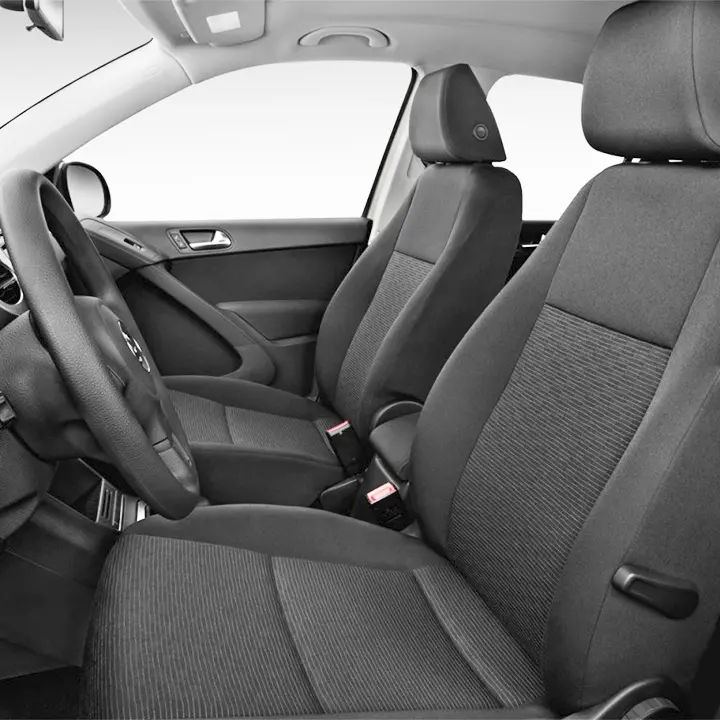
Seat Covers Foam
Polyurethane (PU) foam is a vital material in automotive seat cover systems, serving as the cushioning layer beneath upholstery fabrics. Its versatility, comfort, and durability make it indispensable for enhancing the seating experience in vehicles, whether for daily commutes, long drives, or luxury applications.
Key Applications and Benefits of PU Foam in Automotive Seat Covers
- Cushioning Layer: PU foam acts as the primary padding beneath seat covers, absorbing pressure and providing a comfortable seating surface for drivers and passengers.
- Ergonomic Support: By adjusting foam density and firmness, manufacturers can target support to specific body zones, including lumbar, thigh, and back areas, promoting proper posture and reducing fatigue.
Description
- Surface Resilience: PU foam maintains the shape and contour of the seat over time, preventing sagging or deformation despite continuous use and weight pressure.
- Material Compatibility: Works seamlessly with a wide range of upholstery materials, including leather, vinyl, and fabric, ensuring consistent comfort and durability.
- Noise Reduction: Soft PU foam layers act as a buffer, reducing squeaks, rattles, and vibrations between the seat cover and the underlying frame, enhancing overall cabin comfort.
By combining cushioning, support, and resilience, polyurethane foam underpins high-quality automotive seat covers, delivering comfort, ergonomic benefits, and long-lasting performance for every vehicle occupant.
Key Uses of PU Foam in Automotive Seat Covers
Cushioning Layer: PU foam acts as the main padding layer beneath seat covers, absorbing pressure and improving comfort during long drives.
Ergonomic Support: Foam density and firmness can be tailored to support different body zones, such as lumbar and thigh areas.
Surface Resilience: Helps maintain seat shape and appearance despite constant use and weight pressure.
Compatibility: Works seamlessly under various upholstery materials like leather, vinyl, and fabric.
Noise Reduction: Soft foam layers can also help reduce squeaks and rattles between seat cover and frame.
Benefits of Polyurethane Foam in Seat Covers
Comfort: Provides soft yet supportive cushioning.
Durability: Retains shape and firmness over time.
Lightweight: Contributes to overall vehicle weight reduction.
Breathability: Open-cell foam variants promote airflow for enhanced passenger comfort.
Customization: Available in multiple densities and thicknesses to meet specific seating designs.
- PU foam is typically molded into custom shapes to fit seat contours.
- Often laminated or glued to backing fabrics for stability.
- Can be combined with memory foam or gel inserts for enhanced comfort features.
Related Products and Applications
Interior Trim And Upholstery
Interior Trim And Upholstery
Interior Trim And Upholstery
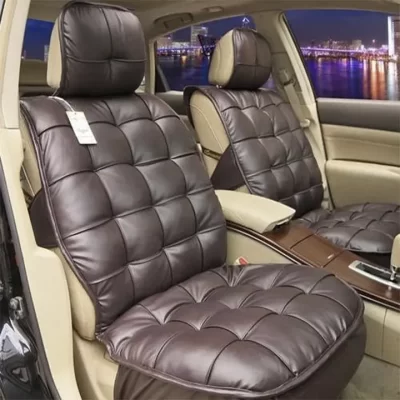
Interior Trim And UpholsteryPolyurethane (PU) foam is a cornerstone material in automotive interior trim and upholstery, providing comfort, cushioning, and aesthetic appeal. Its versatility, durability, and customizable properties make it ideal for a wide range of interior components, enhancing both passenger comfort and vehicle design.
Key Applications of PU Foam in Interior Trim and Upholstery
- Seat Cushions and Backs: PU foam improves seating comfort by providing ergonomic support and even pressure distribution. High-resilience foams retain their shape over extended use, and multi-density designs allow different firmness zones within a single seat, optimizing lumbar, thigh, and back support.
- Door Panels and Armrests: Integral skin PU foam creates soft, durable surfaces with excellent abrasion resistance, delivering a premium feel and tactile comfort while enhancing overall interior aesthetics.
Air Filter Seals
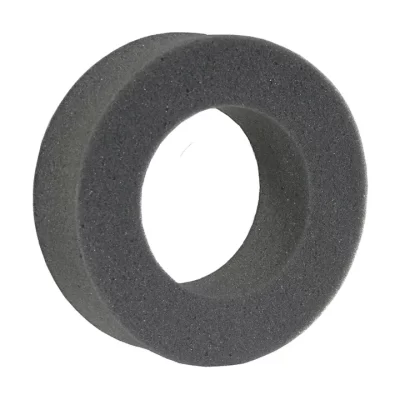
Air Filter SealsFlexible foam is widely used in air filter seals across automotive, industrial, and HVAC systems due to its excellent sealing performance, compressibility, and chemical resistance. It plays a critical role in ensuring that air filtration systems function efficiently and reliably.
Key Functions of Flexible Foam in Air Filter Seals
Air Leak Prevention: Flexible foam provides a tight, consistent seal between the filter housing and filter media, preventing unfiltered air from bypassing the filter. This ensures that all airflow passes through the filter media, maintaining optimal air quality and system efficiency.
Vibration Damping: Flexible foam absorbs vibrations generated by engines, blowers, or other mechanical systems. By acting as a cushioning layer, it reduces wear and tear on filter assemblies and other components, prolonging service life.
NVH Solutions, Gaskets & Seals
NVH Solutions, Gaskets & Seals
NVH Solutions, Gaskets & Seals
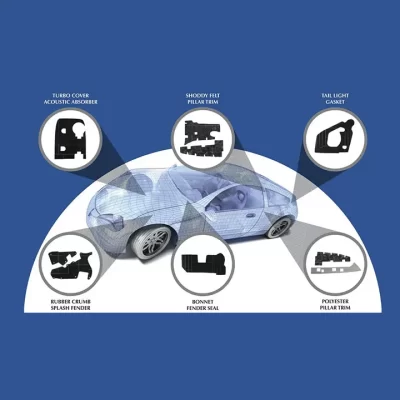
NVH Solutions, Gaskets & SealsPolyurethane (PU) foam is a versatile material extensively used in the automotive industry for Noise, Vibration, and Harshness (NVH) control, as well as in the manufacturing of gaskets and seals. Its unique combination of flexibility, durability, and sealing capabilities allows automotive manufacturers to enhance cabin comfort, reduce noise and vibration, and ensure precise sealing in critical systems.
NVH Solutions Using PU Foam
Sound Absorption: Open-cell PU foam effectively absorbs and dampens airborne noise from engines, road surfaces, and wind, contributing to a quieter and more comfortable vehicle cabin.
Vibration Damping: PU foam cushions and isolates vibrations from drivetrain, suspension, and chassis components, minimizing harshness and improving ride quality.
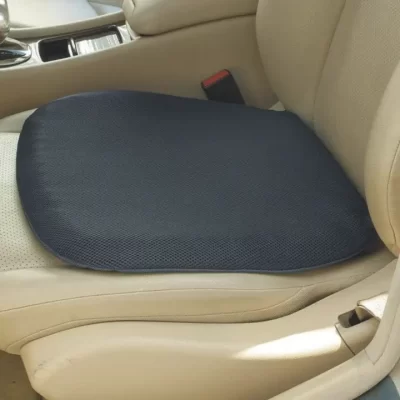
Automotive Cushioning
Automotive CushioningPolyurethane (PU) foam is a critical material in automotive cushioning, offering an ideal combination of comfort, durability, and cost-effectiveness. Its versatility allows automotive designers and manufacturers to create seating, interior components, and ergonomic solutions that meet safety, comfort, and aesthetic requirements.
Applications of PU Foam in Automotive Cushioning
Seats (Cushions & Backrests): PU foam serves as the primary cushioning material in seat cushions and backrests, providing comfort, ergonomic support, and long-term durability. High-resilience (HR) foams maintain shape under prolonged use, while tailored foam densities can optimize support across different zones, such as lumbar and thigh areas.
Headrests: PU foam in headrests functions as an energy-absorbing padding that helps reduce whiplash risk during collisions while also offering comfort during normal driving conditions.
