
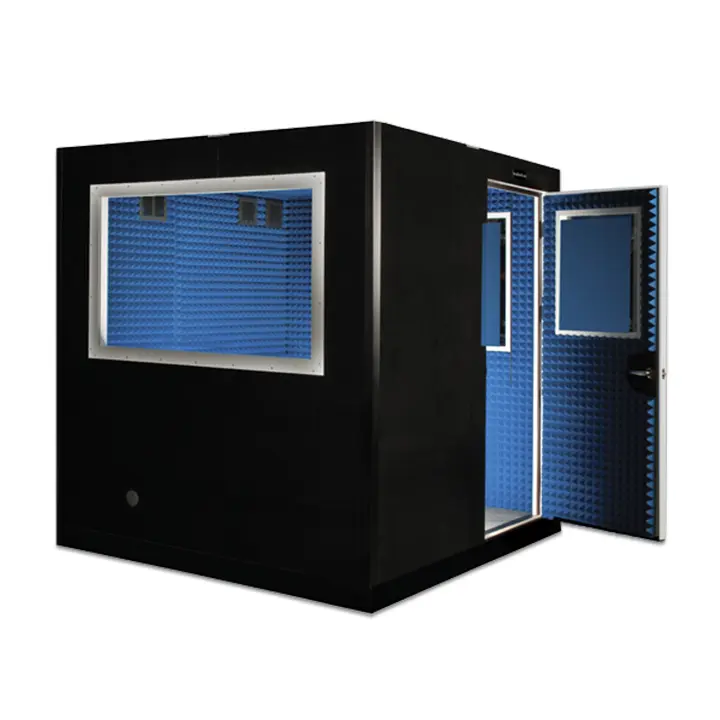
Sound Proofing Enclosures
Polyurethane (PU) foam is widely used in soundproofing enclosures to minimize noise, control vibrations, and improve acoustic performance. These enclosures are commonly found around industrial machinery, generators, HVAC units, compressors, and other equipment that generate significant sound. PU foam serves as a lightweight, cost-effective, and high-performance solution for creating quieter and safer environments.
Why PU Foam is Ideal for Soundproofing Enclosures
Superior Sound Absorption: PU acoustic foam effectively absorbs mid- and high-frequency noise generated by machinery, reducing overall sound levels. Its open-cell structure traps sound waves, preventing them from escaping the enclosure.
Description
Vibration Damping: By cushioning the walls of enclosures, PU foam reduces vibration transfer, which can amplify noise and create structural resonance. This ensures both quieter operation and longer equipment life.
Lightweight and Flexible: PU foam is easy to cut and shape, making it suitable for enclosures of all sizes and designs. Its flexibility allows it to fit around complex equipment and panels without compromising soundproofing efficiency.
Thermal and Acoustic Benefits: In addition to sound absorption, PU foam provides minor thermal insulation, protecting machinery from temperature fluctuations while maintaining a controlled acoustic environment.
Cost-Effective and Durable: Compared to traditional heavy soundproofing materials, PU foam is more economical, easier to install, and maintains performance over time. It is resistant to sagging and deformation, ensuring long-lasting noise control.
What Are Soundproofing Enclosures?
Soundproofing enclosures are enclosed spaces or casings built to contain and reduce noise from equipment, machinery, or electronic components. They’re commonly used for:
- HVAC systems
- Generators and compressors
- Industrial machinery
- Server racks and data centers
- Laboratory testing chambers
- 3D printers and CNC machines
How Polyurethane Foam Is Used:
Internal Lining for Noise Absorption: Open-cell polyurethane foam is installed inside the walls of the enclosure to absorb airborne noise, reducing internal reflections and minimizing sound leakage.
Vibration Damping Layers: PU foam layered with mass-loaded vinyl (MLV) or dense composites acts as a barrier to block and dampen mechanical vibrations.
Thermal-Acoustic Insulation: PU foam offers both acoustic and thermal insulation, especially useful in electronics or machinery enclosures.
Custom-Cut Inserts: Foam is often die-cut or CNC-shaped to line complex enclosures snugly, ensuring no gaps that could leak sound.
Fire-Retardant & Oil-Resistant Foams: Specialized formulations of PU foam are used in industrial environments where heat, oil, or fire safety is a concern.
- Lightweight and easy to install
- Cost-effective compared to composite acoustic materials
- Effective for mid- to high-frequency noise control
- Can be laminated with aluminum foil or other facing for durability and reflectivity
Related Products and Applications
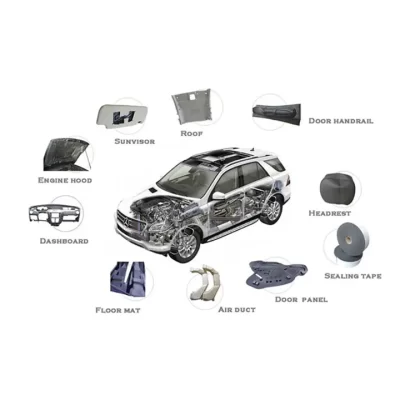
Insulation
InsulationPolyurethane (PU) foam is extensively used in the automotive industry as a highly effective insulation material, providing thermal control, acoustic dampening, and vibration reduction. Its lightweight, versatile, and durable properties make it an ideal choice for enhancing passenger comfort, improving cabin quietness, and boosting overall vehicle performance.
Key Applications of PU Foam in Automotive Insulation
Thermal Insulation: PU foam is widely used to reduce heat transfer from the engine, exhaust system, and external environment. It is commonly applied in floor panels, roof liners, and firewall insulation to maintain a stable cabin temperature. By improving thermal insulation, PU foam enhances HVAC efficiency, ensures passenger comfort, and helps optimize energy consumption.
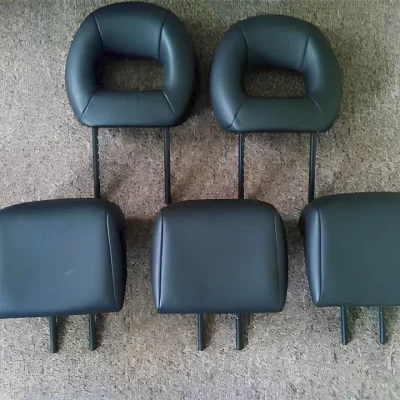
Headrests and Armrests
Headrests and ArmrestsPolyurethane (PU) foam is a versatile and essential material in automotive interiors, particularly in headrests and armrests, where comfort, durability, and ergonomic design are critical. Its moldability, resilience, and long-lasting properties make it ideal for delivering superior passenger comfort and maintaining safety standards.
Armrests: In automotive armrests, PU foam provides a soft yet supportive surface that enhances passenger comfort during long drives. Many armrests use integral skin PU foam, which combines a cushioned inner core with a durable outer layer. This construction ensures a smooth, wear-resistant surface that withstands scratches, environmental exposure, and frequent use, while maintaining a premium look and feel.
Headrests: For headrests, PU foam plays a dual role in comfort and safety. High-resilience (HR) PU foam is typically used to absorb impact forces during collisions while providing consistent support for the head and neck during normal driving. The foam’s excellent recovery properties ensure that the headrest retains its shape and effectiveness over time, contributing to ergonomic support and overall occupant safety.
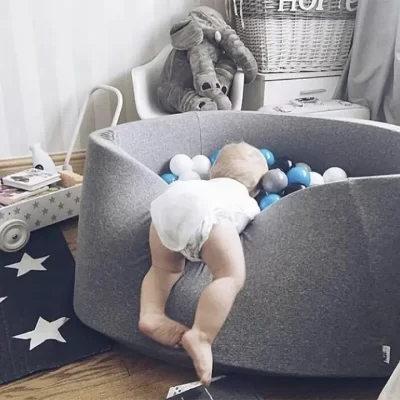
Baby Products
Baby ProductsPolyurethane (PU) foam is one of the most popular materials used in baby care products due to its softness, flexibility, lightweight design, and excellent cushioning properties. These qualities make PU foam ideal for creating comfortable, supportive, and safe surfaces in items such as baby mattresses, crib pads, cushions, play mats, and other infant accessories.Its ability to adapt to a baby’s body ensures even weight distribution and gentle support, which is essential for the healthy development of delicate bones and muscles.
Given the sensitive nature of infant products, safety and hygiene are paramount. PU foam used in baby care must comply with strict safety standards and certifications, ensuring that it is non-toxic, hypoallergenic, flame-retardant, andfree from harmful chemicals or volatile organic compounds (VOCs). Using high-quality PU foam not only provides a comfortable and supportive sleep environment but also guarantees durability, resilience, and shape retention over long-term use Parents and caregivers can also benefit from PU foam’s lightweight and portable nature, making baby products easy to handle, move, or store without compromising comfort or safety.

Sunvisor
SunvisorPolyurethane (PU) foam is extensively used in automotive sun visors to provide the perfect balance of support, comfort, and durability. Acting as a core material, PU foam offers structural integrity while maintaining lightweight properties, which is essential for vehicle efficiency and ease of use.
Key Benefits and Applications
Structural Support: PU foam gives sun visors a firm yet slightly flexible core, ensuring they retain shape over time without sagging or deforming.
Cushioning & Comfort: The foam layer provides a soft surface that enhances tactile comfort while handling the visor.
Surface Smoothness & Finish: PU foam allows manufacturers to achieve smooth, aesthetically appealing surfaces, whether covered with fabric, vinyl, or leather.
