
Anechoic Chamber
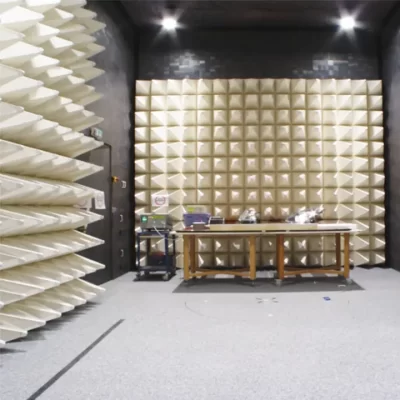
Anechoic ChamberPolyurethane (PU) foam plays a vital role in the engineering and performance of anechoic chambers, serving as one of the primary materials for effective sound absorption. These specialized chambers are designed to eliminate sound reflections, echoes, and external noise, creating an acoustically “dead” environment essential for high-precision audio testing. PU foam’s unique physical and acoustic properties make it the preferred material for lining walls, ceilings, and sometimes floors inside these controlled spaces.
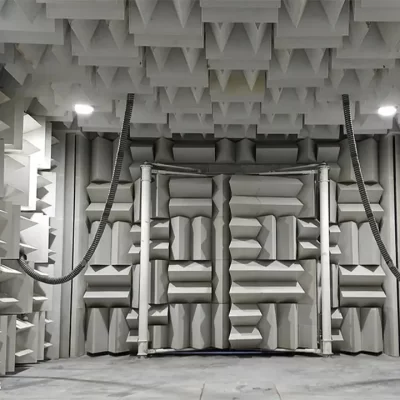
In anechoic chambers, PU foam is typically manufactured in wedge or pyramid shapes, which increase surface area and enhance sound-absorbing efficiency.The foam absorbs a wide frequency range by trapping sound waves within its porous structure, converting acoustic energy into heat.This ensures minimal echo, extremely low reverberation time, and isolation from external noise. Such conditions are crucial for applications like testing microphones, speakers, hearing aids, communication devices, sonar systems, and conducting psychoacoustic or audio research experiments.
Vocal Booths and Recording Spaces
Vocal Booths and Recording Spaces
Vocal Booths and Recording Spaces
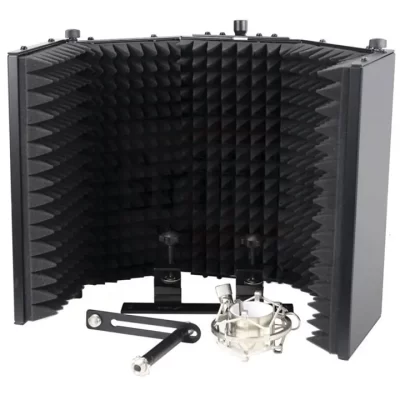
Vocal Booths and Recording SpacesPolyurethane (PU) foam is widely used in vocal booths and recording spaces to create an acoustically optimized environment for professional audio recording. Its superior sound-absorbing properties help control reflections, echoes, and background noise, ensuring crisp, clear, and high-quality recordings.
Key Applications in Vocal Booths and Recording Spaces
Echo & Reverberation Control – PU foam panels absorb sound waves, reducing reflections and flutter echoes that can distort vocal or instrumental recordings.
Noise Isolation – While not a primary soundproofing material, PU foam contributes to minimizing ambient noise within the booth, improving the clarity of recorded audio.
Sound Proofing Enclosures
Sound Proofing Enclosures
Sound Proofing Enclosures
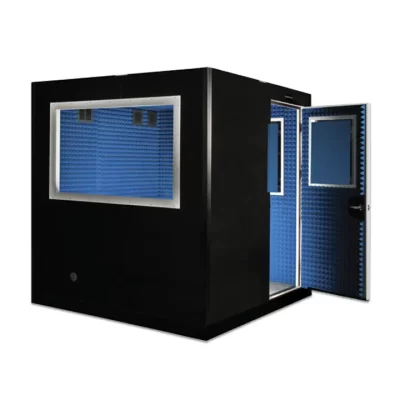
Sound Proofing EnclosuresPolyurethane (PU) foam is widely used in soundproofing enclosures to minimize noise, control vibrations, and improve acoustic performance. These enclosures are commonly found around industrial machinery, generators, HVAC units, compressors, and other equipment that generate significant sound. PU foam serves as a lightweight, cost-effective, and high-performance solution for creating quieter and safer environments.
Why PU Foam is Ideal for Soundproofing Enclosures
Superior Sound Absorption: PU acoustic foam effectively absorbs mid- and high-frequency noise generated by machinery, reducing overall sound levels. Its open-cell structure traps sound waves, preventing them from escaping the enclosure.
Recording Studios
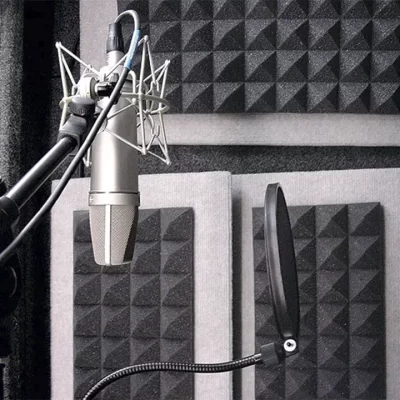
Recording StudiosPolyurethane (PU) acoustic foam is a key material used in professional and home recording studios to control sound reflections, reduce echo, and enhance audio clarity. Recording studios require a controlled acoustic environment to ensure that every note, vocal, and instrument is captured accurately. PU foam provides an effective solution for managing sound waves without major construction or costly renovations.
Why PU Foam is Ideal for Recording Studios
Sound Absorption & Echo Reduction: Recording studios often have hard surfaces that cause unwanted reflections. PU foam absorbs mid- and high-frequency sound, minimizing echo and creating a clean audio environment for recording and mixing.
Improved Audio Clarity: By controlling reverberation and preventing sound distortion, PU foam helps engineers and musicians capture true-to-life sound. This ensures recordings are clear, precise, and professional-quality.
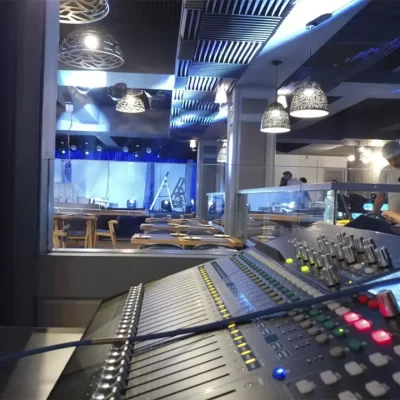
Disco and Pub Soundproofing
Disco and Pub Soundproofing
Disco and Pub Soundproofing
Disco and Pub SoundproofingPolyurethane (PU) acoustic foam is widely used in pubs, bars, lounges, and nightclubs (discos) to effectively manage noise levels and improve overall sound quality. With loud music, DJs, live performances, and constant crowd activity, these venues face significant acoustic challenges. PU foam offers an efficient and affordable solution to control reverberation, reduce echo, and minimize sound leakage—creating a more enjoyable and comfortable environment for customers.
Why PU Acoustic Foam Is Essential for Entertainment Venues
Controls Excessive Noise & Echo: High ceilings, hard surfaces, and open spaces can cause sound reflections that create loud, unpleasant environments. PU foam panels absorb mid- and high-frequency sounds, reducing unwanted echo and lowering overall noise levels.
Enhances Music Clarity: Clear, crisp audio is crucial for live performances and DJ sets. Acoustic foam reduces sound distortion and helps maintain balanced acoustics, allowing the audience to enjoy music as intended.
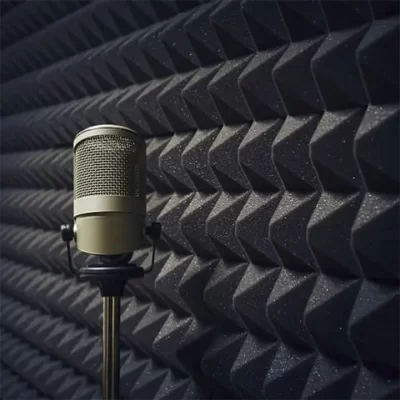
Recording Booths and Podcast Studios
Recording Booths and Podcast Studios
Recording Booths and Podcast Studios
Recording Booths and Podcast StudiosPolyurethane (PU) acoustic foam is one of the most widely used materials in podcast studios due to its exceptional ability to absorb sound, reduce echo, and create a controlled recording environment. Whether you’re setting up a home studio or a professional podcasting space, PU foam helps ensure clean, crisp audio with minimal background noise and reverberation.
Why PU Foam Is Ideal for Podcast Studios
Excellent Sound Absorption: The open-cell structure of PU foam effectively absorbs mid- and high-frequency sounds—especially speech. This prevents reflections and reverberations that can muddy a recording, resulting in clearer vocals and more professional audio output.
Improved Speech Clarity: Since podcasts revolve around dialogue, clarity is critical. PU acoustic panels minimize echo and flutter, ensuring voices sound natural, warm, and easy to listen to.

Office Environments
Office Environments
Office Environments
Office EnvironmentsPolyurethane foam is widely used in office environments to improve acoustics and create a more comfortable, productive workspace. Thanks to its excellent sound absorption properties and versatile design options, PU acoustic foam helps control noise levels, reduce echo, and minimize distractions in both open and closed office settings.
How PU Foam Is Used for Office Acoustic Control
Wall & Ceiling Acoustic Panels: PU foam panels are installed on walls and ceilings to absorb mid- and high-frequency sounds such as speech, phone conversations, and office equipment noise. These panels reduce reverberation, helping create a calmer and more focused work environment.
Acoustic Baffles & Clouds: Hanging acoustic baffles made from PU foam are used in offices with high ceilings. They absorb sound waves traveling through large open spaces, reducing overall noise levels and improving acoustics without structural changes.
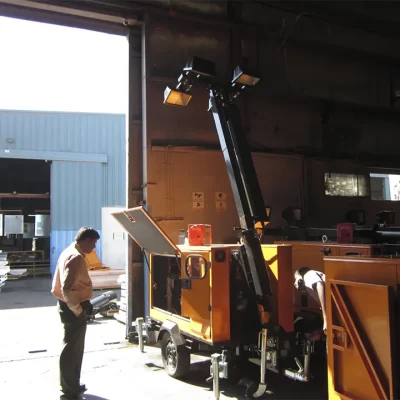
Lighting Towers
Lighting TowersLighting towers, commonly used across construction sites, outdoor events, mining areas, and emergency response operations, are typically powered by diesel or gas generators. While essential for illumination, these generators can produce high noise levels that disrupt work environments, cause discomfort, and contribute to noise pollution—especially in densely populated or sensitive areas.
Applying polyurethane (PU) acoustic foam inside lighting tower enclosures is a highly effective solution for controlling and reducing generator noise. PU acoustic foam absorbs sound waves, dampens vibration, and minimizes the transfer of noise through metal casings, creating a quieter and safer operational environment.
Why PU Acoustic Foam Is Ideal for Lighting Towers
High Noise Absorption: The open-cell structure of PU foam effectively absorbs mid- to high-frequency noise generated by the tower’s engine and mechanical components.
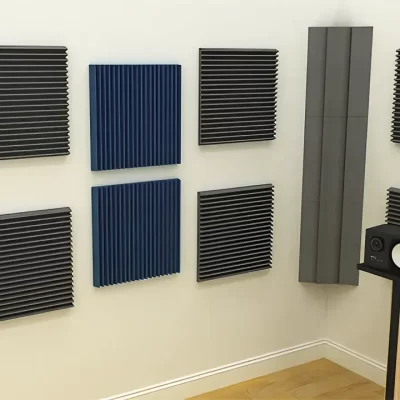
Home Theaters
Home TheatersPolyurethane (PU) acoustic foam is a popular and highly effective solution for improving sound quality in home theater rooms. Designed to absorb unwanted reflections and reduce echo, PU acoustic foam helps create a more immersive and controlled audio environment—without requiring major construction or structural modifications.By minimizing reverberation and controlling the way sound waves travel within a room, acoustic foam ensures that dialogue becomes clearer, sound effects are more accurate, and overall audio performance feels richer and more cinematic.This makes it ideal for home theaters, media rooms, gaming setups, recording spaces, and music listening rooms.
Available in various shapes such as wedges, pyramids, and panels, PU acoustic foam not only enhances sound quality but also adds a professional and stylish look to the room. It is lightweight, easy to install, and can be strategically placed on walls, ceilings, and corners to target problem areas where sound builds up. Whether you’re setting up a dedicated home theater or upgrading your existing entertainment space, polyurethane acoustic foam offers an affordable, versatile, and highly effective way to elevate your audio experience and enjoy clear, balanced, and distortion-free sound.
Generators and Canopy
Generators and Canopy
Generators and Canopy
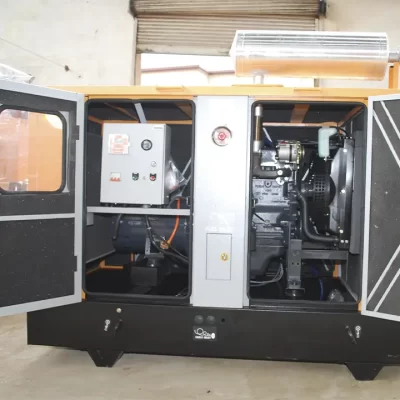
Generators and CanopyPolyurethane (PU) acoustic foam is widely used in generator housings and acoustic canopies due to its excellent sound-absorbing and vibration-damping properties. Generators—whether used in residential areas, commercial buildings, industries, or hospitals—produce significant noise that can be disruptive and may need to meet specific noise regulation standards. PU acoustic foam helps effectively manage these challenges by reducing noise emissions and improving overall sound insulation.
PU foam’s open-cell structure allows it to absorb a wide range of frequencies, particularly mid- and high-frequency noise generated by the engine and mechanical components. When installed inside generator enclosures or acoustic canopies, it minimizes reflected sound, dampens vibration, and reduces the overall noise output of the generator. This creates a quieter, safer, and more comfortable environment for both operators and nearby occupants. In addition to its acoustic benefits, PU acoustic foam is lightweight, easy to install, and can be cut or shaped to fit various canopy designs and generator models.
Testing Rooms
Testing RoomsPolyurethane (PU) foam is extensively used in testing rooms and sound measurement chambers to create controlled acoustic environments. These rooms require precise sound control to ensure accurate testing, analysis, and measurement of products and equipment. PU foam serves as a lightweight, flexible, and highly effective solution for absorbing sound and eliminating unwanted reflections.
Why PU Foam is Ideal for Testing Rooms
High Sound Absorption – PU foam effectively absorbs mid-to-high frequency noise, reducing reflections and standing waves in the room.
Lightweight & Flexible – Easy to install on walls, ceilings, and panels of various shapes and sizes.
Durable & Long-Lasting – Maintains its acoustic performance over time without sagging or degradation.
Automotive Sound Deadening
Automotive Sound Deadening
Automotive Sound Deadening
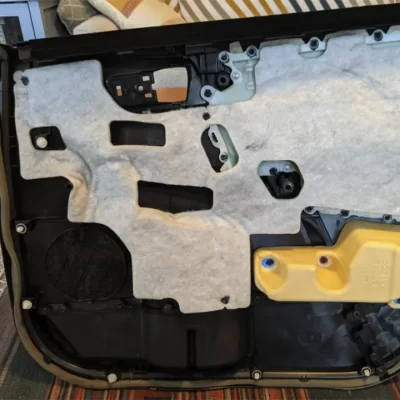
Automotive Sound DeadeningPolyurethane (PU) foam is widely used in the automotive industry for its exceptional ability to enhance cabin acoustics, reduce road noise, and provide a more comfortable driving experience. Its lightweight structure, versatility, and cost-effectiveness make it an ideal material for modern vehicle design and manufacturing. PU foam is incorporated into various parts of the vehicle—such as door panels, headliners, dashboards, trunk liners, floor sections, wheel arches, and seating—to effectively absorb sound and dampen vibrations.
By minimizing road noise, engine resonance, and exterior disturbances, PU foam helps create a quieter and more peaceful cabin environment for passengers. Beyond acoustic benefits, polyurethane foam also plays a significant role in thermal insulation, helping regulate interior temperature and reducing the load on the vehicle’s HVAC system. Its ability to be molded into complex shapes allows seamless integration into different automotive components without adding unnecessary weight, which further contributes to fuel efficiency and overall vehicle performance.
