
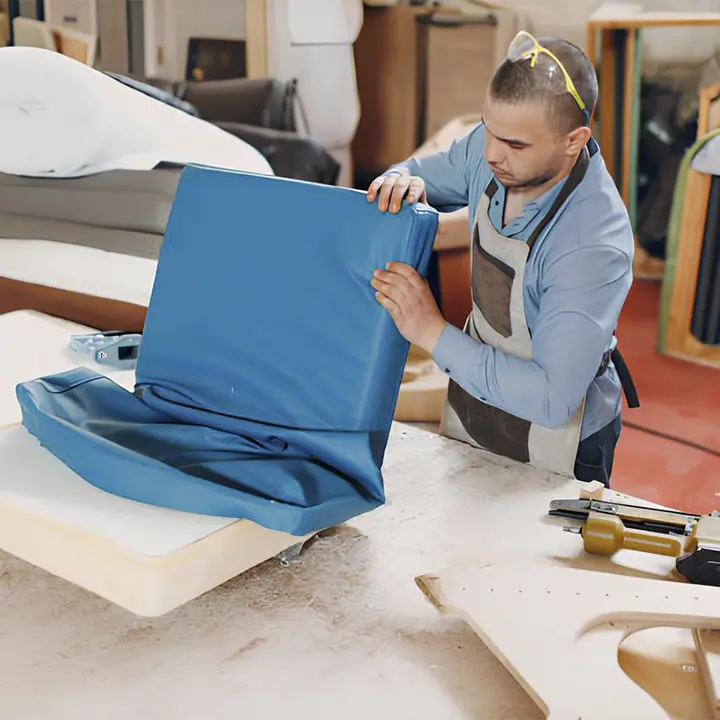
Upholstered Furniture
Polyurethane (PU) foam is one of the most widely used materials in the furniture and upholstery industry, valued for its exceptional versatility, comfort, durability, and cost-effectiveness. Its unique properties allow it to be used across a wide range of applications, from cushions and mattresses to sofas, chairs, and decorative padding.
Types of Polyurethane Foam
Flexible Polyurethane Foam (FPF): Flexible PU foam is soft, resilient, and highly adaptable, making it ideal for use in seating, cushions, mattresses, and upholstered furniture. It provides excellent comfort and support while maintaining shape over time. Different densities and formulations, such as high-resilience foam or memory foam variants, allow manufacturers to create products that cater to various comfort and ergonomic requirements.
Rigid Polyurethane Foam: Rigid PU foam is dense, firm, and primarily used for insulation, structural components, and packaging.
Description
While it is not typically employed in furniture seating, it plays a vital role in providing structural support in certain furniture elements and enhancing thermal or acoustic insulation in upholstered furniture designs.
Foam Densities in Upholstery
| Density (lbs/ft³) | Application | Characteristics |
| 1.2 – 1.8 | Low-end furniture cushions | Softer, less durable, budget-friendly |
| 1.8 – 2.5 | Mid-range sofas/chairs | Good durability and comfort balance |
| 2.5 – 3.0+ | High-end furniture, mattresses | Firm, long-lasting, premium feel |
Best Practices for Upholstery Use
- Select appropriate foam density based on usage (e.g., frequent seating needs higher density).
- Use a protective barrier (e.g., batting or dacron wrap) between foam and fabric.
- Consider fire-retardant foam if required by safety regulations.
- Allow foam to air out before covering to reduce odor from manufacturing.
Cushioning: PU foam is used in sofas, chairs, mattresses, and automotive seats, offering support and comfort in seat and back cushions. It comes in varying densities and firmness levels to meet different comfort and durability requirements.
Mattresses: PU foam is used in memory foam and hybrid mattresses to provide body contouring, pressure relief, and motion isolation.
Padding: PU foam is applied under fabric or leather upholstery to create a soft surface, reducing wear on outer materials and enhancing comfort.
Structural Filling: In low-density forms, it can fill out curved or contoured shapes in upholstered items.
Comfort: Good cushioning and support.
Durability: Long-lasting and retains shape with proper density.
Lightweight: Easy to handle and work with during manufacturing.
Cost-effective: Economical compared to other types of padding or filling.
Customizable: Available in multiple densities, firmness levels, and sizes.
High Resilience (HR) Foam: Offers better support, elasticity, and durability.
Memory Foam (Viscoelastic PU): Adapts to body shape, used in premium cushions and mattresses.
Rebonded Foam: Made from recycled foam scraps, used for firm cushions or underlayers.
Related Products and Applications
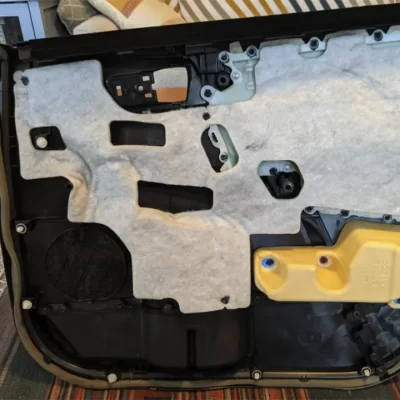
Automotive Sound Deadening
Automotive Sound Deadening
Automotive Sound Deadening
Automotive Sound DeadeningPolyurethane (PU) foam is widely used in the automotive industry for its exceptional ability to enhance cabin acoustics, reduce road noise, and provide a more comfortable driving experience. Its lightweight structure, versatility, and cost-effectiveness make it an ideal material for modern vehicle design and manufacturing. PU foam is incorporated into various parts of the vehicle—such as door panels, headliners, dashboards, trunk liners, floor sections, wheel arches, and seating—to effectively absorb sound and dampen vibrations.
By minimizing road noise, engine resonance, and exterior disturbances, PU foam helps create a quieter and more peaceful cabin environment for passengers. Beyond acoustic benefits, polyurethane foam also plays a significant role in thermal insulation, helping regulate interior temperature and reducing the load on the vehicle’s HVAC system. Its ability to be molded into complex shapes allows seamless integration into different automotive components without adding unnecessary weight, which further contributes to fuel efficiency and overall vehicle performance.
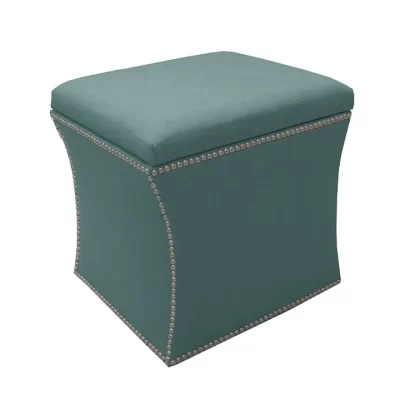
Stool
StoolPolyurethane (PU) foam is one of the most versatile and widely used materials in stool manufacturing, particularly for padded seat tops. Renowned for its superior comfort, support, and durability, PU foam is an ideal choice for a wide range of stools, including kitchen stools, bar stools, office stools, workbench seating, and medical or laboratory stools. Its ability to conform to the body provides ergonomic support, reducing pressure on the hips and lower back during extended periods of sitting.
Different types of PU foam can be used depending on the application. High-resilience (HR) foam offers firm support and long-lasting bounce, making it perfect for commercial or frequently used stools. Memory foam variants provide pressure relief and contouring comfort, ideal for ergonomic or medical seating. Reticulated or open-cell PU foam can be used for ventilated or quick-dry stool cushions, especially in outdoor or humid environments.
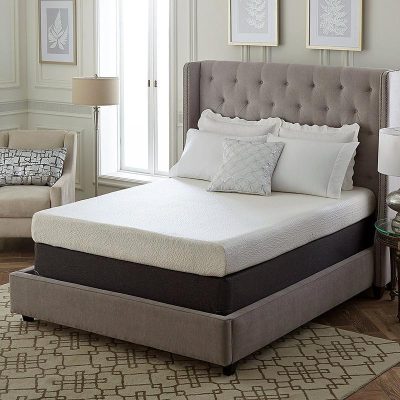
Mattresses
MattressesPolyurethane (PU) foam is one of the most widely used materials in the mattress industry, valued for its comfort, support, adaptability, and cost-effectiveness. Its versatility allows it to be used as both a core support layer and a comfort layer across a variety of mattress types, including all-foam mattresses, hybrid mattresses, and spring-based mattresses. PU foam provides a balanced combination of softness and support, adapting to the body’s contours to relieve pressure points while maintaining proper spinal alignment.
Its lightweight and flexible nature makes it ideal for layering with other materials such as memory foam, latex, or coir to create customized sleep experiences. One of the key advantages of PU foam is its affordability without compromising on comfort. It is available in multiple densities and formulations, allowing mattress manufacturers to tailor the firmness and resilience according to different sleep preferences. PU foam is also durable, helping mattresses maintain shape and support over time, while its open-cell structure in certain formulations can improve air circulation and temperature regulation for a cooler sleep.
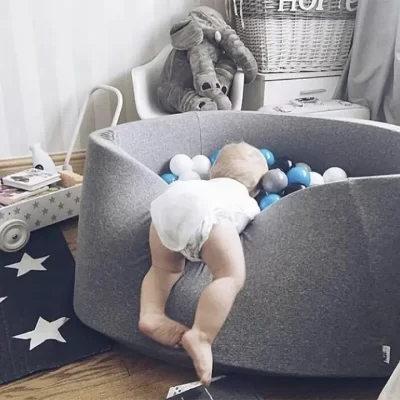
Baby Products
Baby ProductsPolyurethane (PU) foam is one of the most popular materials used in baby care products due to its softness, flexibility, lightweight design, and excellent cushioning properties. These qualities make PU foam ideal for creating comfortable, supportive, and safe surfaces in items such as baby mattresses, crib pads, cushions, play mats, and other infant accessories.Its ability to adapt to a baby’s body ensures even weight distribution and gentle support, which is essential for the healthy development of delicate bones and muscles.
Given the sensitive nature of infant products, safety and hygiene are paramount. PU foam used in baby care must comply with strict safety standards and certifications, ensuring that it is non-toxic, hypoallergenic, flame-retardant, andfree from harmful chemicals or volatile organic compounds (VOCs). Using high-quality PU foam not only provides a comfortable and supportive sleep environment but also guarantees durability, resilience, and shape retention over long-term use Parents and caregivers can also benefit from PU foam’s lightweight and portable nature, making baby products easy to handle, move, or store without compromising comfort or safety.
