
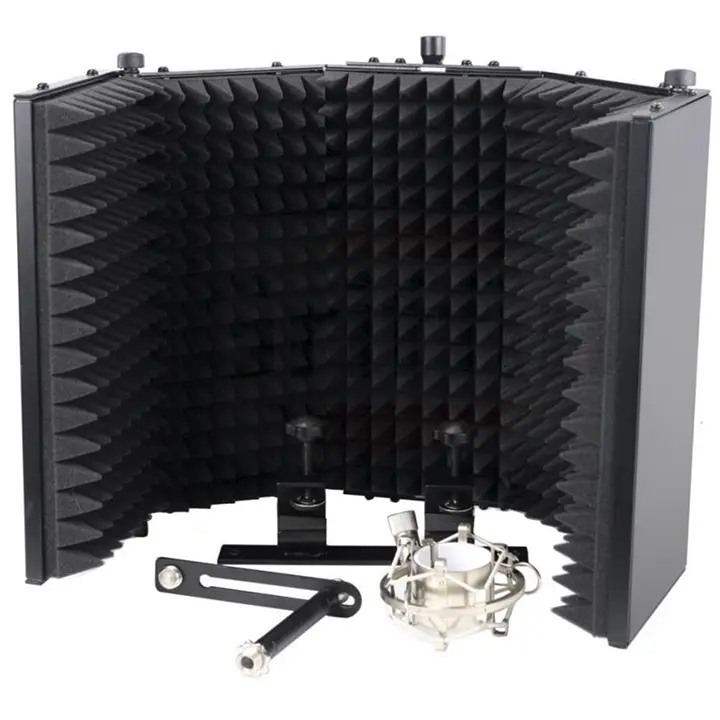
Vocal Booths and Recording Spaces
Polyurethane (PU) foam is widely used in vocal booths and recording spaces to create an acoustically optimized environment for professional audio recording. Its superior sound-absorbing properties help control reflections, echoes, and background noise, ensuring crisp, clear, and high-quality recordings.
Key Applications in Vocal Booths and Recording Spaces
Echo & Reverberation Control – PU foam panels absorb sound waves, reducing reflections and flutter echoes that can distort vocal or instrumental recordings.
Noise Isolation – While not a primary soundproofing material, PU foam contributes to minimizing ambient noise within the booth, improving the clarity of recorded audio.
Description
Frequency Balance – Acoustic foam helps manage mid-to-high frequency sound waves, creating a balanced and natural recording environment.
Customizable Paneling – PU foam can be cut and shaped into panels, wedges, or tiles to fit walls, ceilings, and corners of booths for targeted acoustic treatment.
Portable Recording Solutions – Lightweight and flexible PU foam makes it easy to create temporary or mobile vocal booths without permanent construction.
Using PU foam in vocal booths and recording spaces ensures a controlled environment where musicians, voice artists, and podcasters can record with maximum clarity and minimal interference. Proper acoustic treatment with PU foam is essential for achieving professional-grade audio production.
Why Acoustic Treatment Matters
Vocal booths and recording spaces require precise control over sound reflections, reverberation, and background noise to produce clean, professional-quality recordings. Polyurethane (PU) foam plays a critical role in achieving this by absorbing unwanted sound energy.
Key Applications of PU Foam in Vocal Booths and Recording Studios
Wall and Ceiling Panels
- Open-cell polyurethane foam panels absorb mid- to high-frequency reflections (especially human voice frequencies: ~500 Hz–4 kHz).
- Foam shapes like wedges, pyramids, or egg crates increase surface area and improve absorption.
- Installed on walls and ceilings at reflection points to reduce flutter echo and room coloration.
Corner Bass Traps
- Thicker PU foam blocks or traps are installed in corners to absorb low-frequency sound energy, minimizing bass buildup.
- Helps maintain tonal balance in both vocal and instrumental recordings.
Floating Vocal Booths
- PU foam is used in portable or modular vocal booths to line interior walls, creating a dry, isolated vocal recording space.
- Also used beneath booth floors or platforms to reduce vibration transmission.
Monitor Isolation Pads: PU foam pads are placed under studio monitors to decouple them from surfaces, preventing vibrations and improving playback accuracy during mixing.
Door and Seal Padding: Foam strips or panels are used around door frames and booth seals to reduce sound leakage and ensure proper isolation.
Benefits of Using Polyurethane Foam in Recording Spaces
- Excellent sound absorption for voice and instruments
- Lightweight and easy to install with spray adhesive or mounting tape
- Available in fire-retardant and low-VOC formulations
- Cost-effective solution for home and professional studios
- Enhances recording clarity, accuracy, and consistency
Related Products and Applications

Sunvisor
SunvisorPolyurethane (PU) foam is extensively used in automotive sun visors to provide the perfect balance of support, comfort, and durability. Acting as a core material, PU foam offers structural integrity while maintaining lightweight properties, which is essential for vehicle efficiency and ease of use.
Key Benefits and Applications
Structural Support: PU foam gives sun visors a firm yet slightly flexible core, ensuring they retain shape over time without sagging or deforming.
Cushioning & Comfort: The foam layer provides a soft surface that enhances tactile comfort while handling the visor.
Surface Smoothness & Finish: PU foam allows manufacturers to achieve smooth, aesthetically appealing surfaces, whether covered with fabric, vinyl, or leather.
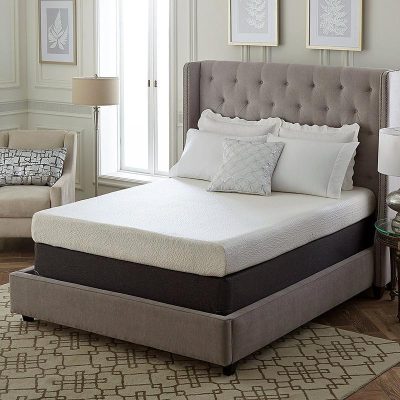
Mattresses
MattressesPolyurethane (PU) foam is one of the most widely used materials in the mattress industry, valued for its comfort, support, adaptability, and cost-effectiveness. Its versatility allows it to be used as both a core support layer and a comfort layer across a variety of mattress types, including all-foam mattresses, hybrid mattresses, and spring-based mattresses. PU foam provides a balanced combination of softness and support, adapting to the body’s contours to relieve pressure points while maintaining proper spinal alignment.
Its lightweight and flexible nature makes it ideal for layering with other materials such as memory foam, latex, or coir to create customized sleep experiences. One of the key advantages of PU foam is its affordability without compromising on comfort. It is available in multiple densities and formulations, allowing mattress manufacturers to tailor the firmness and resilience according to different sleep preferences. PU foam is also durable, helping mattresses maintain shape and support over time, while its open-cell structure in certain formulations can improve air circulation and temperature regulation for a cooler sleep.

Interior Trim And Upholstery
Interior Trim And Upholstery
Interior Trim And Upholstery
Interior Trim And UpholsteryPolyurethane (PU) foam is a cornerstone material in automotive interior trim and upholstery, providing comfort, cushioning, and aesthetic appeal. Its versatility, durability, and customizable properties make it ideal for a wide range of interior components, enhancing both passenger comfort and vehicle design.
Key Applications of PU Foam in Interior Trim and Upholstery
- Seat Cushions and Backs: PU foam improves seating comfort by providing ergonomic support and even pressure distribution. High-resilience foams retain their shape over extended use, and multi-density designs allow different firmness zones within a single seat, optimizing lumbar, thigh, and back support.
- Door Panels and Armrests: Integral skin PU foam creates soft, durable surfaces with excellent abrasion resistance, delivering a premium feel and tactile comfort while enhancing overall interior aesthetics.
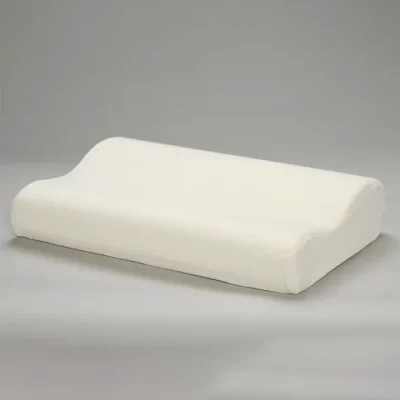
Pillows
PillowsPolyurethane (PU) foam is a preferred material in the production of pillows due to its comfort,resilience, and ability to provide targeted support. Its versatility allows manufacturers to design pillows that cater to a wide range of sleeping styles, from back and side sleepers to those seeking orthopedic or ergonomic support.
Why PU Foam is Ideal for Pillows
PU foam can be shaped, molded, or layered to create pillows with specific contours, including cervical support, memory foam pillows, and travel cushions. This adaptability enables the foam to cradle the head and neck, maintaining spinal alignment and relieving pressure points, which can reduce neck and shoulder discomfort.
By incorporating high-quality PU foam, pillows offer a combination of comfort, support, and long-lasting durability, making them an ideal choice for enhancing sleep quality and maintaining proper neck and spinal alignment.
