

The Strategic Role of Precision Foam Components
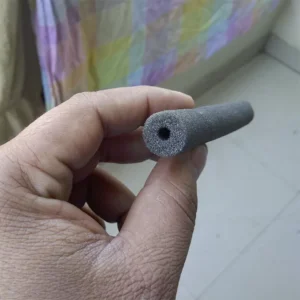 In the modern industrial ecosystem, success is built on the reliability of small, often invisible parts. Precision foam components, fabricated from a wide range of polyurethane (PU) formulations, have become essential assets in enhancing product comfort, structural protection, and operational efficiency. By transforming raw polymers into engineered components, we are supporting diverse sectors—from high-performance aerospace modules to life-saving medical devices.
The Architecture of a Component: Precision and Function
A foam component is far more than a simple cutout; it is a meticulously engineered part designed to solve specific physical challenges. Utilizing world-class conversion technology, these components are fabricated to maintain consistent thickness and exact tolerances. This precision allows for seamless integration into high-speed assembly lines, effectively streamlining the manufacturing process while significantly elevating the quality of the final product.
Industry-Specific Integration
The versatility of PU foam components allows them to serve as a sophisticated “multi-tool” across diverse sectors:
Automotive Engineering: Foam components are vital for NVH (Noise, Vibration, and Harshness) management. Custom-fabricated seals and gaskets within dashboards, door panels, and HVAC systems ensure cabin quietness and thermal regulation.
Electronics & Semiconductors: In the world of micro-technology, foam components act as thermal gap fillers and shock absorbers, safeguarding delicate circuitries from the twin threats of heat and kinetic energy.
Medical & Healthcare: Beyond simple padding, medical-grade components are used for equipment cushioning and sterile packaging inserts, ensuring the integrity of high-value diagnostic tools.
Building Science & Construction: High-density foam components provide the airtight and watertight seals necessary for energy-efficient windows, roofing systems, and industrial HVAC units.
Aerospace & Defense: Lightweight but durable, these components assist in weight reduction while providing critical vibration damping for sensitive cockpit instrumentation.
The Multi-Material Advantage: Chemistry and Customization
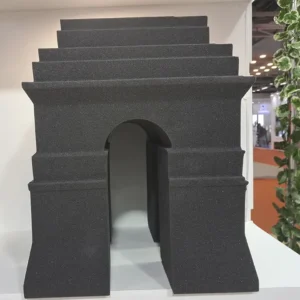
A key part of our “Foam Knowledge” is selecting the specific chemical family for the task. Whether utilizing Polyether for its hydrolytic stability and moisture resistance or Polyester for its superior chemical and oil resistance, each material choice is intentional. For higher impact protection, Polyethylene and specialized Moulded Foams offer high-density structural integrity.
To meet specific industrial demands, these components are available with secondary processing options. This includes pressure-sensitive adhesive backings for rapid installation, specialized surface coatings for environmental protection, and multi-layer lamination to combine different foam properties into a single, high-performance part.
Key Functional Missions
The “Material Intelligence” of an engineered foam component is defined by its primary role in an assembly. For instance, in Environmental Sealing, the foam creates an impermeable barrier against dust and moisture. In Acoustic Management, the cellular structure is tuned to absorb specific sound frequencies. For Specialized Packaging, the focus shifts to 360-degree contouring, offering total protection for fragile goods during global transit.
Rebonded Foam: Engineering Circularity and High-Density Support
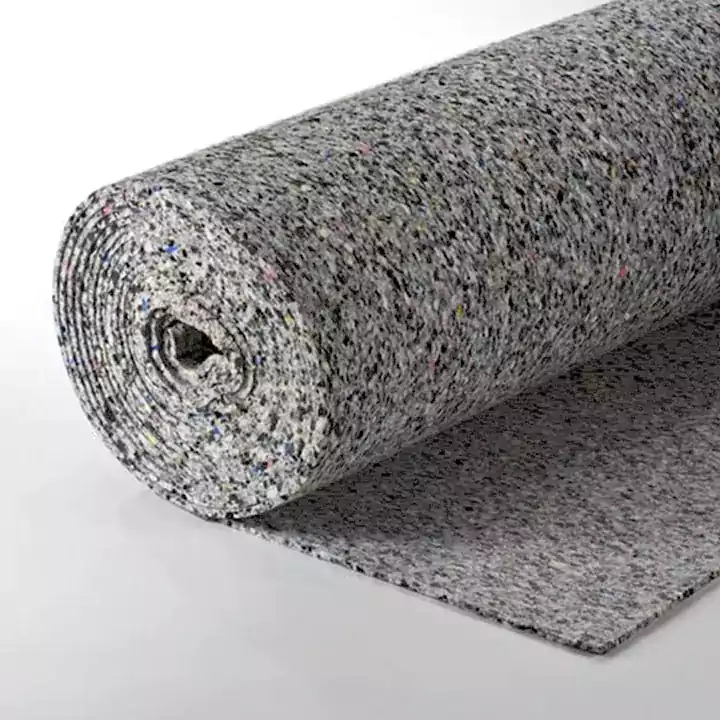
In the modern manufacturing landscape, the transition from a linear “take-make-waste” model to a circular economy is no longer optional. Rebonded foam stands at the forefront of this shift. Far from being a mere byproduct, rebonded foam is a sophisticated, high-density engineered material created through the precise recycling of polyurethane scraps. It represents the perfect intersection of environmental stewardship and industrial-grade performance.
The Mechanics of the Rebonding Process
The transformation of loose foam scrap into a structural block is a feat of mechanical engineering. Unlike virgin foam, which relies on a chemical reaction to rise, rebonded foam is “constructed.”
Precision Shredding & Pulverization: Advanced technology now allows manufacturers to crush foam into nearly powder-like particles. This reduction in “chip size” is critical; the smaller the particle, the more uniform the final block’s cellular structure.
Polymer Bonding: These particles are coated with high-performance prepolymer bonding agents. The quality of this adhesive determines the foam’s “tear strength” and long-term resilience.
Thermo-Compression: The mixture is subjected to intense hydraulic pressure and steam injection. This is where density is dictated. While standard grades range from 60 to 110 kg/m³, latest-generation technology can compress these particles into ultra-high-density grades reaching 220 kg/m³. At this level, the foam becomes almost as rigid as wood but retains the vibration-dampening properties of a polymer.
Why Density Dictates Application
The versatility of rebonded foam is a direct result of its customizable density. Because the “mass per unit volume” can be controlled during the pressing stage, it can be tailored to specific industrial needs:
Orthopedic Foundation (80–120 kg/m³): In the bedding industry, rebonded foam serves as the “core” or base layer. It provides a non-sagging foundation that supports the heavier areas of the human body, ensuring the softer comfort layers above it perform optimally.
Acoustic & Vibration Control (120–180 kg/m³): Due to its high mass and irregular internal structure (created by the various foam chips), rebonded foam is an exceptional sound absorber. It is widely used in automotive floorings and generator room insulation to dampen low-frequency vibrations.
Industrial Impact Protection (200+ kg/m³): The highest grades are utilized in sports flooring, heavy-duty packaging, and gym mats where the material must withstand repetitive, high-impact force without permanent deformation.
Environmental Impact and Market Insights
The global demand for rebonded foam is surging, driven by a “Green Manufacturing” mandate. By consuming foam scrap—which would otherwise contribute to landfill volume—this process cleans the environment while providing a cost-effective alternative to virgin materials.
For the consumer and the industrial buyer, the benefits are clear: rebonded foam offers a higher Support Factor and greater Durability than many standard foam grades, often at a lower price point. It is a rare example of a recycled product outperforming the original in specific high-load applications.
Final Insight
Rebonded foam is not just “recycled foam”; it is a reclaimed asset. Its ability to be engineered to extreme densities (up to 220 kg/m³) makes it a vital component in everything from the mattress you sleep on to the car you drive. At Foam Villa, we view this material as a testament to what “Material Intelligence” can achieve for both the industry and the planet.
Written by the Foam Villa Editorial Lab Specializing in high-performance rebonded solutions and sustainable polymer engineering. We help industries optimize support and minimize waste through advanced foam technology.
